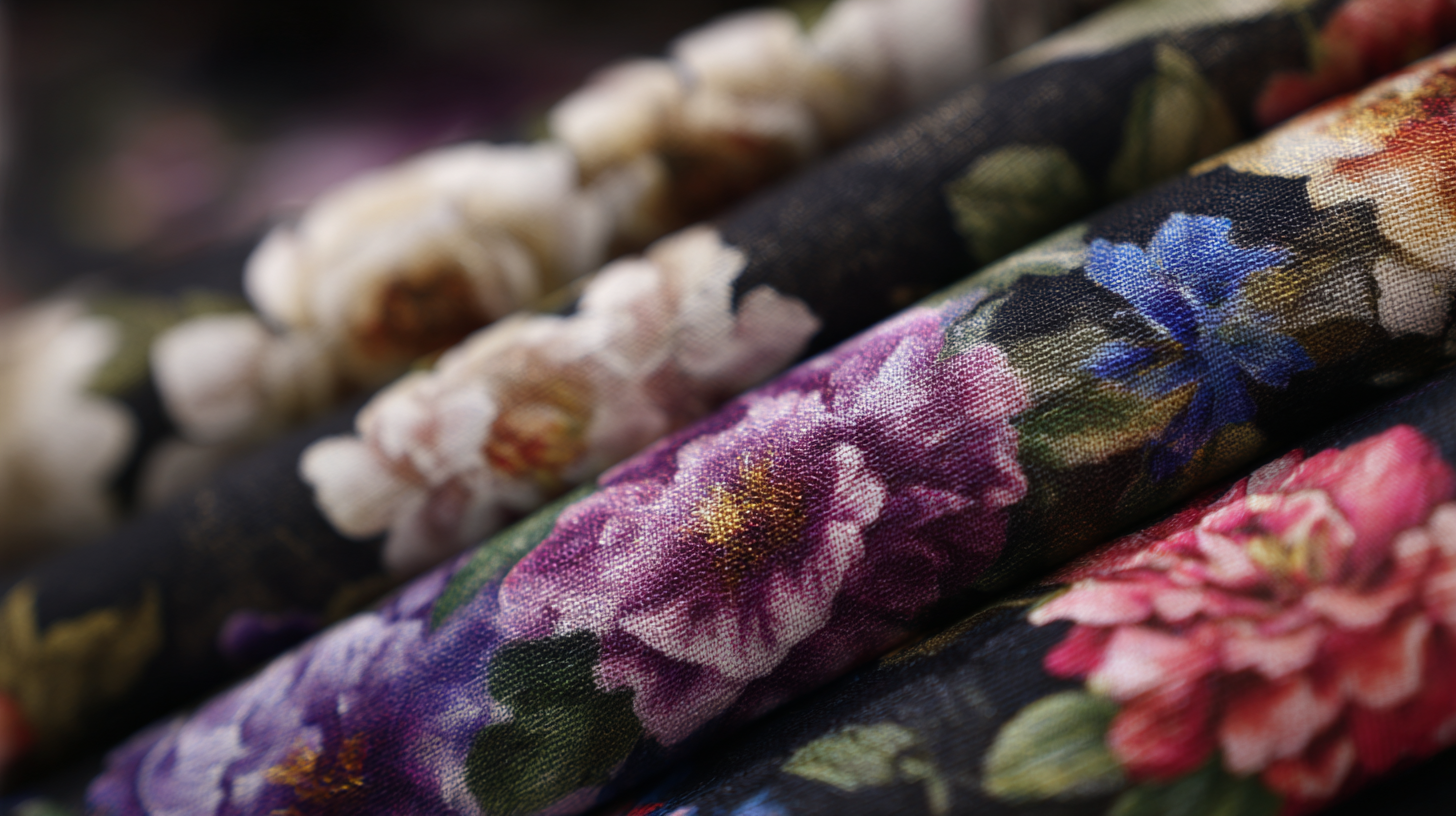
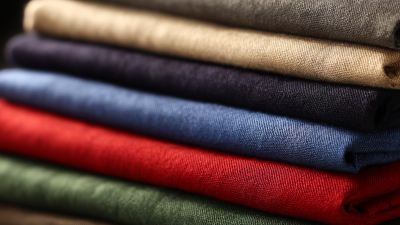
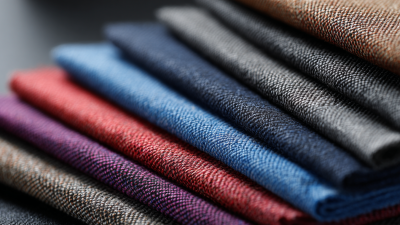
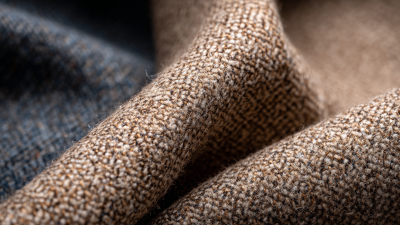
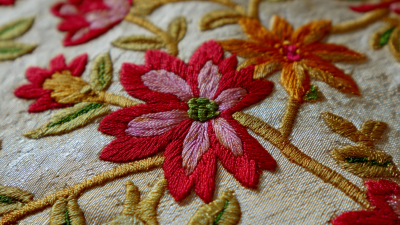
Lately, there's been a real jump in demand for high-quality Cotton Digital Print fabrics around the world. People are just more interested these days in designs that are both sustainable and truly unique, you know? I came across a report from Grand View Research that says the digital textile printing market could hit around $4.9 billionby 2025, with Cotton Fabrics playing a really important role because they're soversatile and eco-friendly.
That said, finding good quality cotton digital print fabric isn’t always smooth sailing. There are plenty of hurdles, like making sure the cotton is sustainably sourced, keeping the quality consistent, and dealing with all the tech quirks of digital printing.
At Shaoxing Xiaonizi Textile Co., Ltd., we’re doing our best to tackle these challenges head-on. We use top-notch cotton, linen, and blended materials to ensure our fabrics meet the needs of the fashion and baby clothing markets — and we make sure they comply with certified sustainable standards, too. We’re all about quality, and our goal is to give our clients fabrics that really resonate with folks who care about the environment today.
Understanding the Importance of Quality Cotton in Digital Print Fabric Sourcing
When you're on the hunt for good quality cotton for digital print fabrics, it’s really important to understand why it matters. Good cotton doesn’t just make the printed textiles look better—it actually has a big effect on sustainability too. As the whole sustainable fashion scene keeps booming, more and more people are looking for eco-friendly materials. A lot of consumers now want clothes made from organic cotton, because they’re not just after a nice look, but also want to lower their environmental footprint. Moving toward sourcing sustainable fabrics is closely tied to the circular economy ideas—things like recycling, cutting down waste, and sourcing responsibly.
That said, finding really good quality cotton isn’t without its challenges. Ensuring that the cotton is produced ethically—covering everything from fair labor practices to water conservation—is pretty complex. Manufacturers often have to navigate a pretty tangled web of supply chains and certifications to get it right. Plus, with new digital printing tech coming in, it’s even more important to really understand the material’s properties so the printed results look their best. As the industry shifts toward automation and eco-friendly textiles, brands need to keep prioritizing high-quality, sustainable cotton that lives up to both customer expectations and industry standards. This not only helps push the broader sustainability movement but also makes sure the final product is durable and top-notch.
All in all, choosing the right cotton isn’t just a business decision — it’s part of making fashion more responsible and long-lasting.
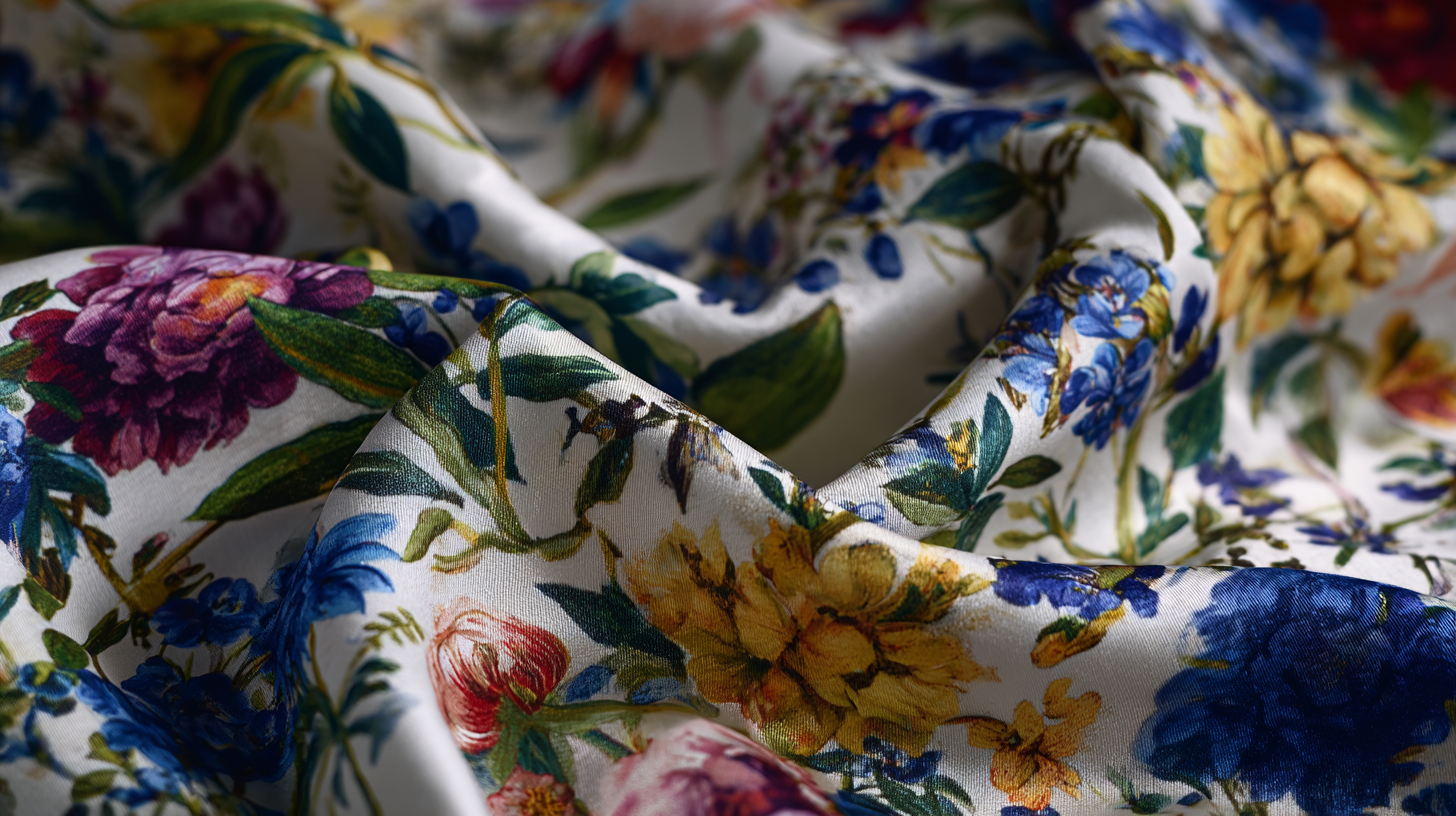
Identifying Common Challenges in Cotton Quality Control for Digital Printing
When it comes to sourcing cotton for digital printing, quality control really isn’t something to skip. It’s super important if you want your final products to hit those high industry standards. The tricky part is that cotton fibers can be all over the place because of things like weather, soil quality, and how they’re harvested. These little factors can cause uneven dye absorption and affect how the print turns out — nobody wants those disappointing results, right?
To keep things on point, it’s a good idea to put strict quality checks in place at every step of making the fabric. That means regularly inspecting the raw materials and checking the weaving process. Using newer tech like AI tools and advanced spectroscopy can really help catch defects early on, so you only end up using the best cotton out there.
**Pro tip:** Always buy cotton from trusted suppliers who can give you proper quality certifications. Also, think about investing in technology that monitors fabric quality in real time during printing—this can really improve consistency and cut down on wasted material. And don’t forget, training your team on quality standards and how to spot issues makes a huge difference in the overall quality of your products.
Challenges Faced in Sourcing Quality Cotton Digital Print Fabric
This chart illustrates the common challenges faced in sourcing quality cotton digital print fabric. The data highlights the percentage of manufacturers encountering various quality control issues, essential for improving the overall sourcing process.
Evaluating the Role of Sustainable Practices in Cotton Sourcing
When it comes to sourcing quality cotton digital print fabric, more and more brands are starting to focus on doing things the right way — you know, being more sustainable. The cotton industry hasn't always had the best reputation because of its big environmental footprint; stuff like huge water use and lots of pesticides. But the good news? By choosing sustainable methods, manufacturers can reduce these negative impacts. It’s all about growing and processing cotton in a way that's better for the planet. Plus, it’s a big win for eco-conscious shoppers since they’re looking for brands that care. And let's not forget, sustainable practices also help protect important resources so they’re around for future generations.
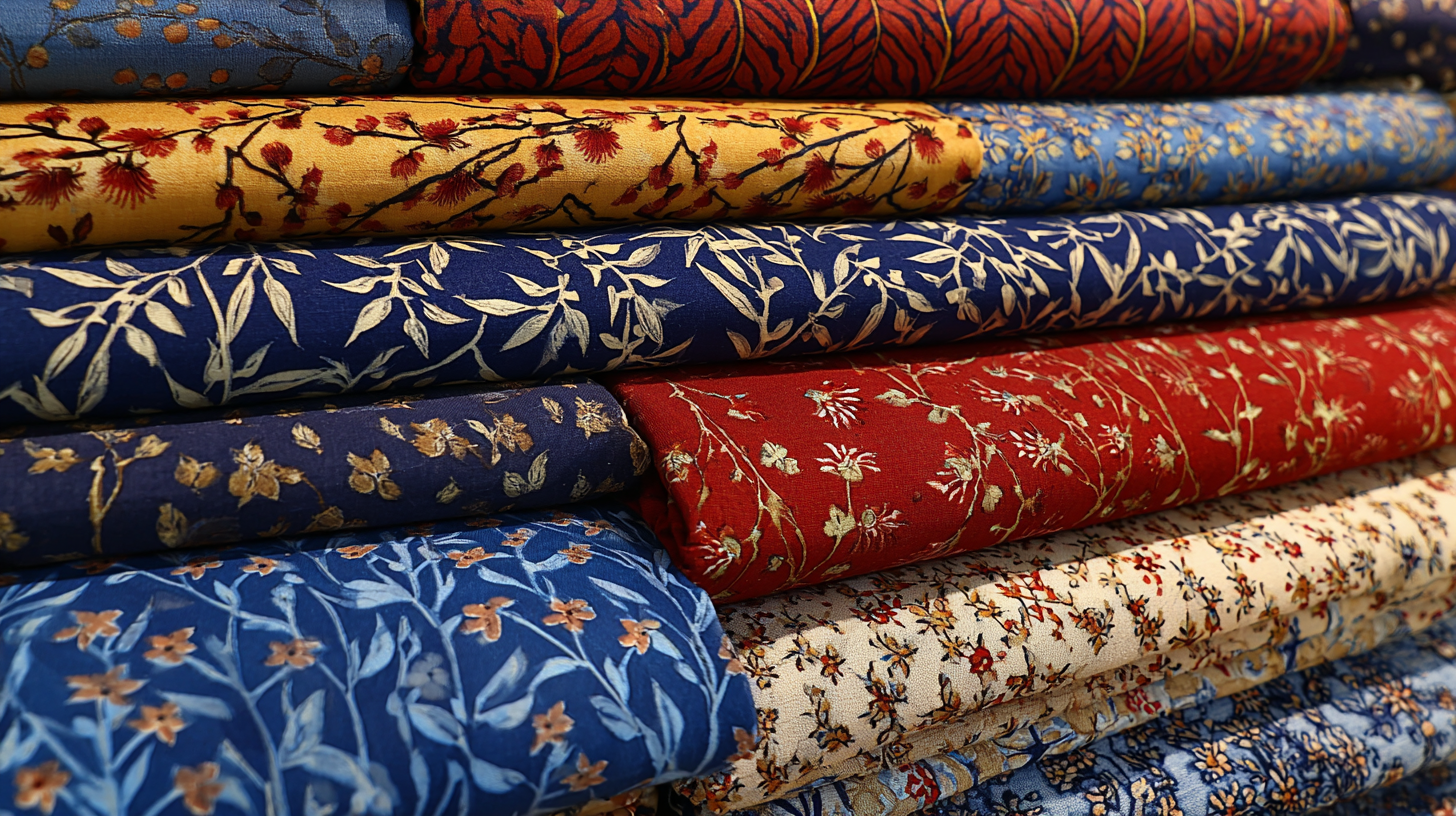
To really see if a brand’s cotton is sustainably sourced, it’s helpful to look for certifications like organic, Fair Trade, or GOTS (Global Organic Textile Standard). These labels bring a bit of transparency to the supply chain, so consumers can feel more confident that the cotton was grown ethically and with minimal environmental harm. Getting involved with local farmers and supporting sustainable farming methods can also boost biodiversity and improve the overall quality of the cotton. Bottom line? When brands make sustainability a priority, it’s good for the planet and shows up in the fabric’s look and feel. It’s like tailoring fashion to meet the growing demand for responsible, eco-friendly choices — everyone wins.
Exploring Technological Innovations to Enhance Cotton Fabric Quality
You know, in the fast-changing world of textiles, finding top-quality cotton digital print fabrics isn't always a walk in the park. But hey, there's good news — tech advances are really making a difference, helping us get better quality and be more eco-friendly at the same time. A report from Cotton Incorporated points out that modern digital printing methods, like using reactive and pigment inks, are making colors pop more and last longer, which definitely keeps customers happy. Plus, these new ways of printing are not just pretty—they also help cut down on waste, aligning nicely with our sustainability goals.
To really get the best quality in cotton digital prints, investing in advanced ginning technology is a game changer. By using precision ginning, impurities are minimized, which means the final cotton fiber is cleaner and of higher quality. And, if you're into tech, adding AI into your quality checks can really help catch defects early on, making sure only the best fabrics make it to the hands of consumers.
Pro tip: Always try to source from suppliers who are using the latest tech in their manufacturing — it really makes a difference. Also, teaming up with companies that prioritize sustainable practices is a smart move; they tend to combine great quality with eco-friendly methods. And don’t forget, regular quality checks are your best friends in keeping standards high for those cotton digital prints—you want to stay ahead of the game!
Strategies for Building Strong Relationships with Cotton Suppliers
Building strong relationships with your cotton suppliers really matters when you're trying to get good quality cotton digital print fabric. Honestly, open communication is the key here — it’s what keeps everything running smoothly. Making a habit of catching up with your suppliers, whether through meetings or quick updates, helps everyone stay on the same page about quality standards and production schedules. Plus, it builds trust over time, making your supply chain more reliable and less stressful.
A little tip — try setting up regular check-ins with your suppliers. It’s a good way to talk about any issues that might pop up or new trends happening in the market. Being proactive like that shows you’re serious about the partnership, and it can save you a lot of headaches down the line.
Another thing that can really make a difference is taking the time to understand what your suppliers go through — their processes, their challenges. Offering support or resources when you can really helps strengthen your relationship. For example, suggesting collaborative quality control measures can make sure the fabric you get meets your standards.
And here’s a thought — maybe organize workshops or training sessions focused on quality management. Not only does this help improve the overall quality of the cotton fabric, but it also helps build a stronger bond between your team and your suppliers. It’s all about working together, right?
Challenges Faced in Sourcing Quality Cotton Digital Print Fabric - Strategies for Building Strong Relationships with Cotton Suppliers
| Challenge | Impact | Strategy | Supplier Relationship Benefits |
| Quality Inconsistency | Leads to product returns and damage to brand reputation | Establish quality benchmarks and regular audits | Enhanced trust and reliability with suppliers |
| Supply Chain Disruptions | Delays in production and increased costs | Develop contingency plans and diversified sourcing | Stronger collaboration and proactive problem-solving |
| Ethical Compliance | Potential legal issues and loss of consumer trust | Regular monitoring and certifications | Fostering transparency and long-term partnerships |
| Price Volatility | Unpredictable budgeting and financial strain | Long-term contracts and fixed pricing models | Stability and planning in procurement processes |
Market Trends Affecting the Availability of Quality Cotton for Digital Printing
Lately, the quality of cotton used for digital printing hasn’t been easy to come by. Market trends are shifting, and with more consumers looking for sustainable options, cotton growers are turning to organic farming. That’s great for the environment, but it can also mean there’s less of that high-quality cotton available. Plus, with big fashion brands making eco-friendly materials a top priority, competition for premium cotton is fierce. It’s becoming trickier for textile companies to get consistent supplies of those gorgeous fabrics needed for vibrant digital prints.
Here at Shaoxing Xiaonizi Textile Co., Ltd., we truly understand how important it is to keep our fabric quality high. We pride ourselves on offering a range of materials—like cotton, linen, and blends—that are both sustainable and reliable. But, as trends change, we know we have to stay flexible with our sourcing strategies. We keep a close eye on supply shifts and production practices, so we can continue delivering stylish, high-quality fabrics for fashion and infant clothing alike—without losing sight of our eco goals. This proactive mindset helps us stay ahead in this constantly evolving landscape of fabric sourcing.
Discover the Luxurious Comfort of Premium Cotton Washed Fabric: Elevate Your Everyday Style
Elevate your everyday style with the luxurious comfort of our premium 100% cotton washed fabric. Designed for those who appreciate both aesthetics and functionality, this fabric offers a unique blend of softness and durability that makes it a versatile choice for various textile projects. According to the Cotton Incorporated Lifestyle Monitor™ Survey, cotton remains the fabric of choice for 85% of consumers, underscoring its timeless appeal and unmatched comfort.
What truly sets our cotton washed fabric apart is the special washing process it undergoes, which enhances its natural attributes. The charming subtle vintage texture produced by this treatment not only adds visual interest but also invites users to indulge in the refreshed feel of the fabric. Importantly, the washing process minimizes shrinkage, allowing the fabric to maintain its shape and size wash after wash, ensuring it continues to shine in both form and function.
Measuring 150CM in width and weighing 102GSM, this fabric is perfect for creating anything from fashionable apparel to cozy home decor items. With the growing trend toward sustainable and comfortable textiles, our premium cotton washed fabric positions itself as a standout choice for those looking to elevate their everyday style with high-quality, enduring materials.
FAQS
: The main challenges include variability in cotton fibers due to weather conditions, soil quality, and harvesting methods, which can lead to inconsistencies in dye uptake and overall print quality.
Companies can establish stringent quality control measures, perform regular inspections of raw materials, and use advanced technologies like AI and spectroscopic analysis to detect defects early.
Sourcing from reputable suppliers ensures that the cotton comes with detailed quality certifications, helping to guarantee the quality of the final product.
Technology can assist in real-time monitoring of fabric quality during the printing process, enhancing printing consistency and reducing waste.
Regular training on quality standards and evaluation techniques increases the team's expertise, leading to better assessment and management of fabric quality.
Strong relationships allow for open communication, ensuring alignment on quality expectations and production timelines, which contributes to a reliable supply chain.
Scheduling regular check-ins and discussions about potential issues and market trends helps address challenges early and demonstrates commitment to the supplier partnership.
Understanding a supplier's processes and challenges allows for better collaboration and can lead to the implementation of effective quality control measures, ensuring the fabric meets quality standards.
Organizing workshops or training sessions focused on quality management practices can enhance the quality of the cotton fabric and strengthen the business relationship with suppliers.
Conclusion
When it comes to sourcing Cotton Digital Print Fabric, maintaining good quality is super important if you want to keep up with the fast-paced world of fashion and baby clothes. Of course, there are some bumps along the way—things like inconsistent cotton quality, shifting trends in the market, and the whole sustainability thing can really make sourcing tricky. But, if you understand these challenges, it becomes easier to put in place solid quality control measures and adopt eco-friendly practices. Not only does this boost the fabric's quality, but it also shows you're serious about sourcing responsibly.
Thanks to new tech advances, improving cotton fabric quality has gotten a lot easier. These innovations help manufacturers create better products that meet what consumers are after. Building solid relationships with suppliers is also a must to keep a steady flow of high-quality cotton coming in. As market trends keep changing, staying in the loop about what's affecting cotton availability will be key—especially for companies like Shaoxing Xiaonizi Textile Co., Ltd.—to be able to deliver certified, sustainable cotton digital print fabrics. So yeah, a mix of smart tech, good relationships, and staying ahead of market trends is the way to go.