Gauze Fabric, with its light, airy feel and delicate look, has really been catching the eye of both sewing enthusiasts and pros lately. If you’ve seen the latest market trends, you’ll notice that the global fabric market is expected to hit around $76.9 billion by 2025 — and a big chunk of that growth is coming from demand for lightweight, breathable fabrics like gauze. It’s no surprise, honestly; more folks are diving into DIY projects, especially when it comes to making clothes and home textiles. Everyone's looking for fabrics that are comfy and versatile, and gauze totally fits the bill.
When you're picking out the perfect gauze for your next project, it’s pretty important to think about a few things—stuff like what fibers it’s made of, how heavy it is, and how it’s woven. There’s a study from the Textile Research Journal that points out how much these details actually affect how your final piece will drape and how long it lasts. Gauze comes in different blends—cotton, rayon, polyester—you name it. Understanding what each one offers can really help you get the look and feel you’re after. Whether you’re making clothes, baby gear, or even some cozy home décor, making an informed choice will make sure your finished product looks great and holds up over time.
Understanding Gauze Fabric: Types and Characteristics
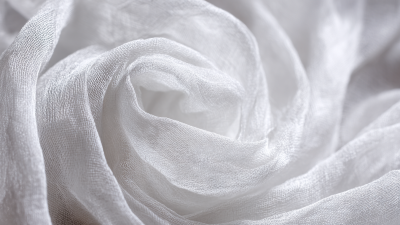
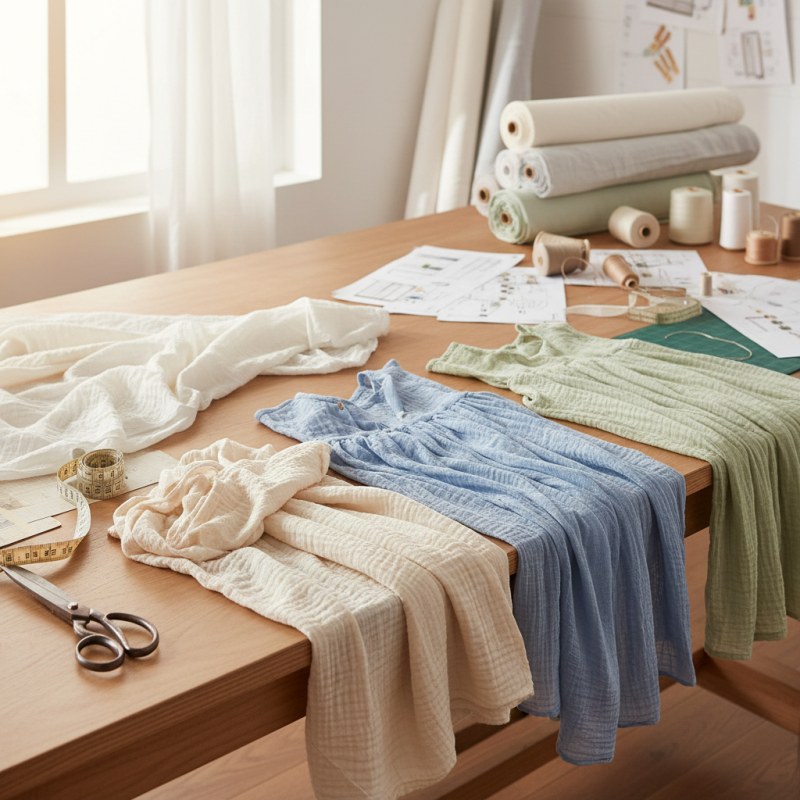
Gauze fabric is a lightweight, sheer textile that is well-regarded in the world of sewing for its versatility and unique characteristics. Primarily made from cotton or a cotton blend, gauze is known for its breathable nature, making it an excellent choice for garments intended for warmer climates. The fabric is loosely woven, which contributes to its airy feel and allows for excellent draping. Additionally, gauze comes in various types, including single and Double Gauze; single gauze offers a lightweight option while double gauze provides added thickness and softness.
When selecting the right type of gauze for your sewing projects, it's essential to consider the intended use. For delicate garments such as blouses or summer dresses, a lightweight single gauze may be perfect. Conversely, if you are looking to make baby blankets or swaddles, double gauze fabric, with its cushy feel, becomes the preferred option. Understanding the characteristics of these different types of gauze will help you make informed decisions, ensuring your projects are both functional and aesthetic. When matched with appropriate patterns and sewing techniques, gauze can transform simple designs into airy, flowing pieces that epitomize comfort and style.
Key Factors to Consider When Choosing Gauze Fabric
When selecting the best gauze fabric for your sewing projects, there are several key factors to consider that can significantly influence the outcome of your creations. First and foremost, the weight and thickness of the gauze are critical. Lighter gauze is ideal for delicate garments, such as summer dresses or baby clothes, where breathability and softness are paramount. Conversely, heavier gauze can provide more structure and durability, making it suitable for items like home décor or sturdy summer tops.
Another essential factor is the weave and texture of the gauze. Different weaves can affect how the fabric drapes and behaves when sewn. For instance, a more open weave may result in a flowy, relaxed design, while a tighter weave can lead to a slightly more polished look. Additionally, consider the fabric's intended use, as well as any care requirements. Some gauze fabrics are easier to wash and maintain than others. Thoroughly assessing these elements will ensure that you choose a gauze fabric that not only meets the aesthetic needs of your project but also provides practicality and comfort.
Common Uses of Gauze Fabric in Sewing Projects
Gauze fabric is a versatile material that finds its way into various sewing projects, thanks to its lightweight and breathable properties. One of the most common uses of gauze is in the creation of baby products, such as swaddles and burp cloths. Parents often seek out this soft fabric because it offers comfort and gentle protection for sensitive skin. The loose weave allows for optimal airflow, making it ideal for warmer climates or cozy nursery environments.
Another popular application of gauze is in the world of fashion, where it is frequently used for layering. Designers often incorporate gauze into dresses, blouses, and scarves to add a delicate, ethereal quality to their creations. This fabric drapes beautifully and can provide texture without unnecessary bulk. Additionally, its semi-sheer nature makes it a fantastic choice for creating soft overlays or adding dimension to garments. Whether for practical items or stylish apparel, gauze fabric serves a myriad of purposes in sewing projects, enhancing both functionality and aesthetic appeal.
How to Choose the Best Gauze Fabric for Your Sewing Projects - Common Uses of Gauze Fabric in Sewing Projects
| Fabric Type | Common Uses | Characteristics | Best for |
| Cotton Gauze | Baby clothes, scarves, light summer wear | Soft, breathable, and lightweight | Summer clothing and layering |
| Muslin Gauze | Craft projects, muslin mock-ups, curtains | Inexpensive, easy to sew, and versatile | Trial garments and home decor |
| Silk Gauze | Fancy dresses, overlays, and accessories | Luxurious, lightweight, and has a natural sheen | Formal and evening wear |
| Polyester Gauze | Costumes, décor, and crafts | Durable, wrinkle-resistant, and easy to wash | Daily wear and practical projects |
| Bamboo Gauze | Eco-friendly clothing, baby products | Soft, antimicrobial, and sustainable | Sustainable and organic projects |
Evaluating Fabric Weights and Breathability of Gauze
When selecting gauze fabric for your sewing projects, understanding fabric weights and breathability is crucial. Gauze typically comes in various weights ranging from lightweight (around 2-3 oz per square yard) to medium weight (about 4-5 oz per square yard). Lighter gauze is ideal for applications such as baby clothing or delicate curtains, while medium-weight gauze serves well for slightly more structured garments or accessories. According to a report by the Textile Institute, fabrics with a weight under 3 oz tend to allow for greater air circulation, making them suitable for summer wear and enhancing overall comfort.
Breathability is another essential factor to consider when choosing gauze fabric. Fabrics with a loose weave enhance breathability, which promotes moisture wicking and helps keep the body cool in warm climates. As indicated in the latest Fabric Performance Report, breathable fabrics can reduce heat retention, making them 30% more effective in moisture management compared to tighter-woven materials. This makes gauze an excellent choice not just for summer clothing, but also for activewear, where breathability is paramount. By evaluating the weight and breathability of gauze, you can ensure your sewing projects are both comfortable and functional, leading to garments that are perfect for a variety of climates and activities.
Gauze Fabric Weight and Breathability Comparison
Tips for Working with Gauze Fabric in Sewing
When working with gauze fabric, it’s essential to approach it with care due to its lightweight and delicate nature. First, pre-washing your fabric is crucial to prevent shrinkage and ensure the final garment maintains its intended size. Use a gentle cycle with cool water and avoid harsh detergents to preserve the fabric's softness. After washing, lay the gauze flat to air dry, as this will help prevent any stretching or distortion.
When cutting gauze, use sharp fabric scissors to achieve clean edges. Pin the fabric securely to prevent slipping during sewing. Consider using a rotary cutter for more precise cuts, especially when working with layered pieces. Given gauze’s tendency to fray, finish your edges with a serger or a zigzag stitch to maintain the integrity of your project. Lastly, opt for lightweight needles and a longer stitch length when sewing to minimize puckering, providing a smoother finish to your seams. These tips can help you create beautifully constructed items that showcase the airy appeal of gauze fabric.
Color and Pattern Selection for Your Gauze Projects
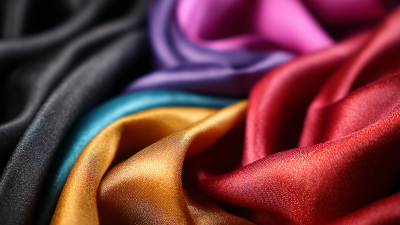
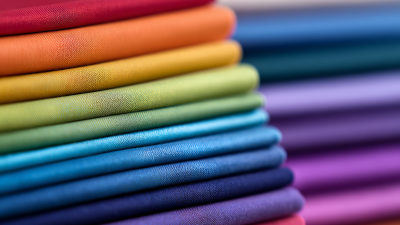
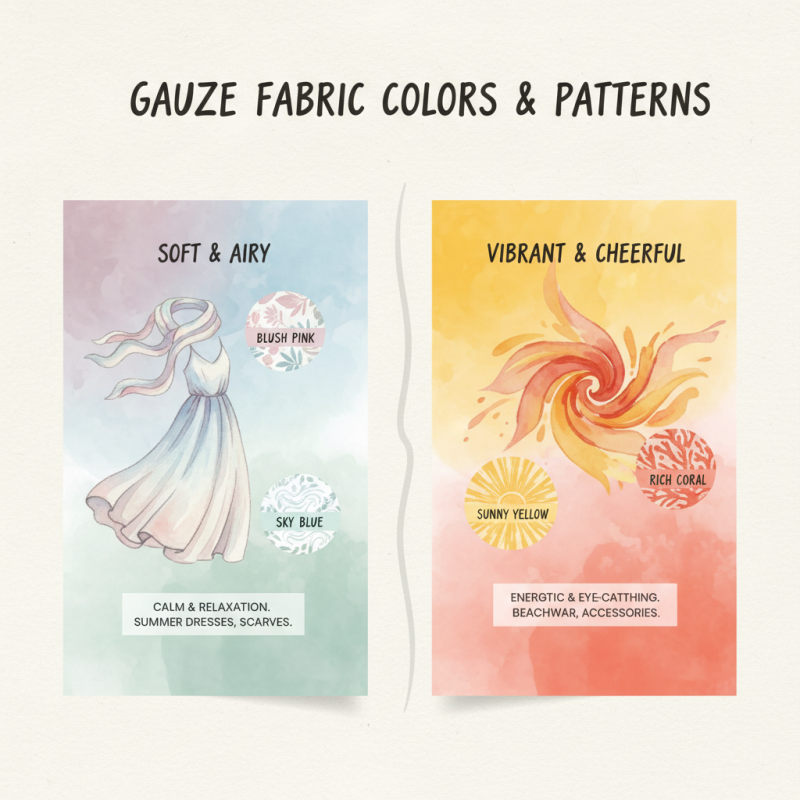
When selecting colors and patterns for your gauze fabric projects, it’s essential to consider the overall vibe and purpose of your creation. For soft, airy garments like summer dresses or lightweight scarves, pastel hues can evoke a feeling of calm and relaxation. Shades such as blush pink, sky blue, and mint green work beautifully to create a serene palette, perfect for breezy summer outings. Conversely, vibrant colors like sunny yellows or rich coral can add a cheerful touch, making your gauze items eye-catching and energetic.
Patterns also play a crucial role in enhancing the aesthetic appeal of your gauze projects. Floral prints can provide a timeless charm that is particularly suited for casual wear or home decor, lending a romantic and whimsical feel. Alternatively, geometric designs might be preferred for a modern look, offering a stark contrast that can add depth and dimension. Stripes and polka dots, when carefully chosen, can create a playful yet sophisticated result, making them versatile options for various projects. Ultimately, aligning your color and pattern selections with the intended mood and functionality of your project will lead to satisfying and visually appealing outcomes.
Where to Buy Quality Gauze Fabric for Sewing
When looking for quality gauze fabric for your sewing projects, it is essential to know where to source the best materials. One of the top options is local fabric stores, which often provide a curated selection of gauze. Shopping in person allows you to feel the fabric's texture and see its drape, ensuring that it meets your project needs. Additionally, local stores often have knowledgeable staff who can offer advice on the appropriate type of gauze for various applications, from clothing to home decor.
If local options are limited, online fabric retailers can be an excellent alternative. Many websites specialize in fabric sales and often feature a comprehensive range of gauze fabrics, including muslin and specialty options. When shopping online, it's crucial to read customer reviews and check for detailed descriptions of the fabric's weight and breathability. This research helps ensure that you select a high-quality product that suits your sewing plans. Be sure to also check shipping policies and return options, as these can vary significantly between retailers.
Discover the Versatility and Quality of Premium 100% Cotton Embroidery Fabric: A Guide to Customizable Heavyweight Textiles
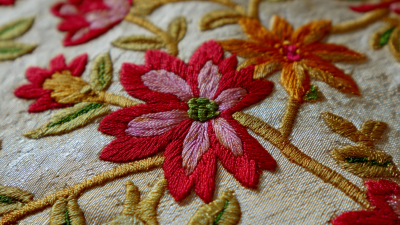
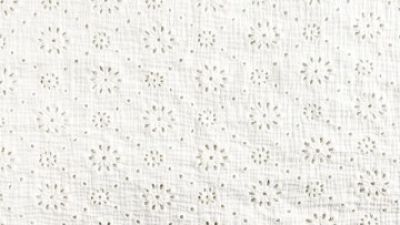
When exploring the realm of customizable textiles, heavyweight 100% cotton embroidery fabric stands out for its remarkable versatility and quality. This fabric is engineered for brands that value durability and elegance, making it an outstanding choice for a variety of applications. With a weight of 260 GSM, it provides a robust and substantial feel, while still being soft enough to ensure comfort against the skin. From chic sleepwear to stylish skirts, and even sophisticated home décor items, this fabric elevates any design with its sophisticated texture.
In addition to its aesthetic appeal, this cotton fabric is designed to meet rigorous quality standards, offering OEKO-TEX certification that assures consumers of its safety and sustainability. The structural integrity of the fabric allows it to hold its shape well, making it perfect for intricate embroidery designs that require both precision and durability. Whether used in women’s fashion or versatile decorative projects, this heavyweight cotton embroidery fabric is an ideal choice for creators looking to combine functionality with a touch of luxury.
FAQS
: The weight of gauze fabric is crucial as lighter gauze is suitable for delicate garments that require breathability, while heavier gauze offers more structure and durability for items like home décor or sturdy summer tops.
The weave of gauze affects how the fabric drapes and behaves when sewn. A more open weave creates a flowy, relaxed design, while a tighter weave results in a more polished look.
It's important to consider the fabric's care requirements, as some gauze fabrics are easier to wash and maintain than others, impacting the overall practicality of your projects.
Lighter gauze typically allows for greater air circulation, making it suitable for summer wear, while heavier fabrics may retain heat. Breathable fabrics can enhance comfort by promoting moisture wicking.
Pastel hues like blush pink, sky blue, and mint green evoke calmness and are ideal for soft, airy summer garments, while vibrant colors can add an energetic touch.
Patterns significantly enhance the visual appeal of gauze projects; floral prints offer a romantic feel, while geometric designs can provide a modern look. Choosing the right pattern aligns with the intended mood of the creation.
Yes, gauze fabric is an excellent choice for activewear due to its breathability, which helps keep the body cool and enhances comfort during physical activities.
Medium-weight gauze works well for slightly more structured garments or accessories, providing a balance of comfort and durability for various sewing applications.
By carefully assessing the weight, weave, color, and pattern of the gauze fabric in relation to the intended use and mood of your project, you can create both functional and visually appealing items.
Breathability in gauze fabric is essential as it enhances moisture management and reduces heat retention, making it ideal for warm climates and activewear.
Conclusion
Gauze fabric is a lightweight, sheer, and versatile textile that offers numerous options for sewing projects. Understanding the different types and characteristics of gauze fabric is essential for choosing the right material for your specific needs. Factors to consider include fabric weight, breathability, and your project's intended use, whether it be clothing, home decor, or accessories. Common applications of gauze fabric in sewing range from delicate summer garments to functional items like baby products.
When working with gauze fabric, it is crucial to evaluate its weight and breathability to ensure comfort and practicality. Tips for successfully sewing with gauze fabric include using the right needle and thread, as well as being mindful of fraying edges. Color and pattern selection also play an important role in the final outcome of your projects. To find quality gauze fabric, explore various fabric retailers and online platforms that specialize in sewing materials. This comprehensive approach will help you create beautiful and functional items with gauze fabric.