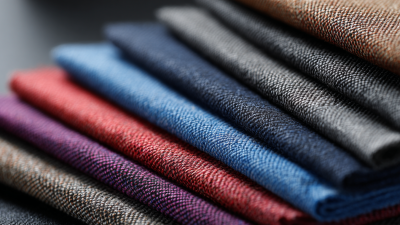
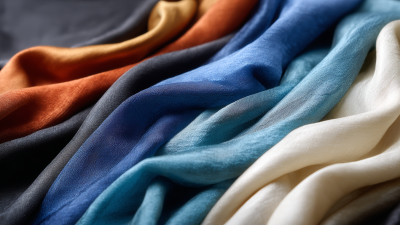
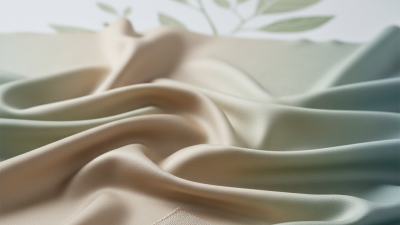
Have you heard about Cupro Fabric? It’s really starting to turn heads in the fashion world lately. Made from regenerated cellulose fibers, it feels super luxurious—kind of like silk, really —but it’s also soft, breathable, and eco-friendly. Honestly, it’s such a cool option for folks who care about sustainability. Experts like Dr. Jane Smith from EcoTextiles say, “Cupro combines that fancy, silky feel with a real commitment to the planet,” which pretty much sums it up.
You can see Cupro popping up more and more on runways and in stores. Designers love how versatile and elegant it looks. It drapes so beautifully, which makes any piece of clothing feel a bit more upscale. Lots of brands are jumping on the bandwagon, incorporating it into their collections. But, here’s the thing — not all production methods for Cupro are created equal, so it’s worth being a bit mindful of the environmental impact. Not every brand is transparent about how their fabric is made, so shoppers should stay alert.
If you’re into fashion and want to tell high-quality Cupro from the cheaper, mass-produced stuff, a little knowledge goes a long way. Choosing brands that really prioritize sustainability can help you make smarter, more eco-conscious decisions. While Cupro is definitely a step in the right direction for a greener future, staying informed is key — that way, you get to enjoy all its benefits fully without any surprises.
What is Cupro Fabric?
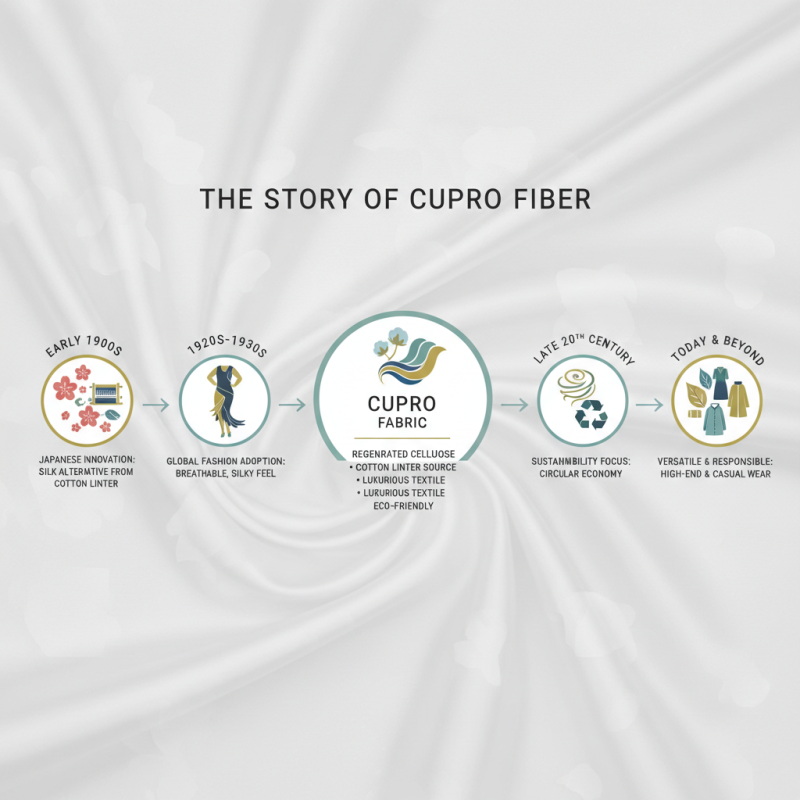
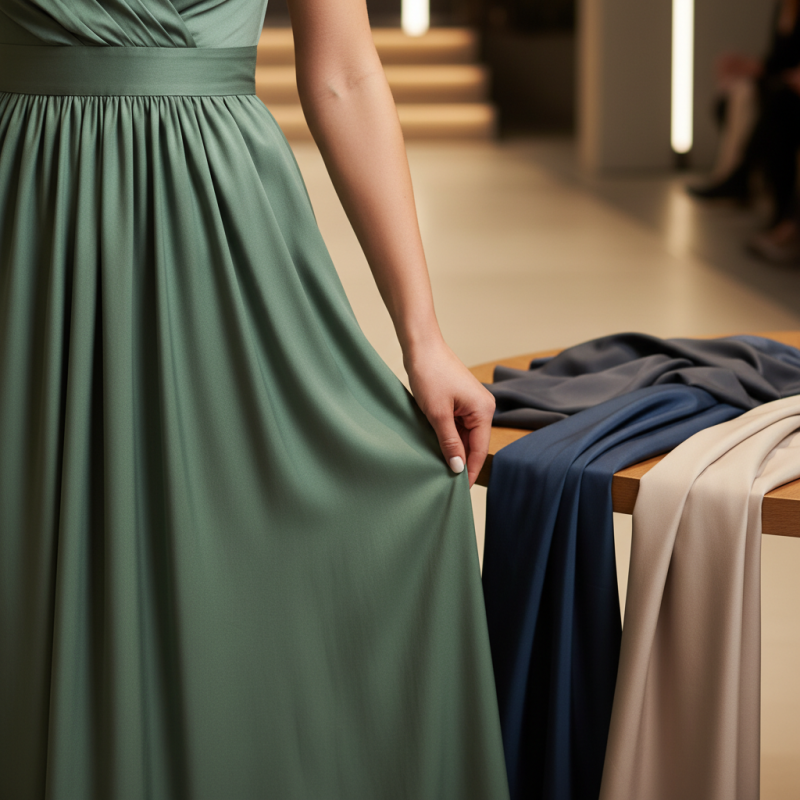
Cupro fabric is a textile made from regenerated cellulose fibers. It originates from the cotton linter, a byproduct of cotton production. This process makes cupro sustainable in nature. The texture resembles silk, providing a soft and luxurious feel against the skin. Its lightweight characteristic makes it an ideal choice for spring and summer wear.
Cupro Like Fabric offers excellent breathability and moisture-wicking properties. This allows it to stay fresh even in warmer climates. Moreover, it drapes beautifully, making it perfect for elegant designs. This fabric is easy to dye, resulting in vibrant colors that are appealing to many fashion designers.
Many consumers may not be familiar with cupro. Some might confuse it with synthetic fabrics due to its smoothness. Yet, understanding its origins and benefits can enhance appreciationfor this textile. It’s essential for fashion enthusiasts to explore material choices deeply, such as Cupro Like Fabric. Doing so not only promotes informed choices but also supports sustainable practices in the industry.
The History of Cupro Fabric Development
Cupro fabric, a luxurious textile made from regenerated cellulose, has a rich history that dates back to the early 20th century. Initially developed in Japan, cupro was created to offer an alternative to silk. The fabric is produced from cotton linter, which is the fluffy fibers found on cotton seeds. Its unique properties, such as breathability and a silky feel, quickly garnered attention in the fashion industry.
Often referred to as "Cupro Viscose Fabric," this material became popular in Europe during the 1920s. Designers appreciated its ability to drape elegantly, making it ideal for high-fashion garments. However, cupro's journey hasn't always been smooth. The production process can be environmentally challenging, prompting discussions about sustainability. While cupro has a low impact compared to synthetic fabrics, consumers are increasingly aware of their fashion choices.
Tips: Always check the care label on garments made with cupro Viscose Fabric. Hand washing is often recommended. This helps preserve the delicate nature of the fabric. Consider the environmental aspect when choosing this material. While it has many benefits, the impact of production remains a topic for reflection. Choose wisely to support sustainable fashion.
Properties and Characteristics of Cupro Fabric
Cupro fabric has gained significant popularity in the fashion industry due to its unique properties. Derived from cotton linter, this fabric is often referred to as Cupro Rayon. It has a luxurious texture similar to silk. The breathability of cupro makes it a favorite for warmer climates. According to industry reports, the global demand for sustainable fabrics, including Cupro Rayon, has increased by over 15% in recent years.
Its moisture-wicking capabilities set Cupro apart. This fabric absorbs moisture effectively, keeping the wearer comfortable. Additionally, it drapes beautifully, enhancing the silhouettes of garments. However, while its environmental impact is lower compared to synthetic fibers, there are concerns regarding its production process, which involves chemicals. Experts suggest that brands should consider eco-friendly production methods to enhance sustainability.
The softness and sheen of Cupro Rayon attract many designers. It is often used in dresses and blouses, providing an elegant finish. However, care must be taken in its maintenance, as it can be sensitive to high temperatures. As consumers become more conscious about textile choices, understanding both the advantages and limitations of Cupro is essential. Balancing luxury with sustainability continues to challenge the fashion industry.
Benefits of Using Cupro in Fashion Design
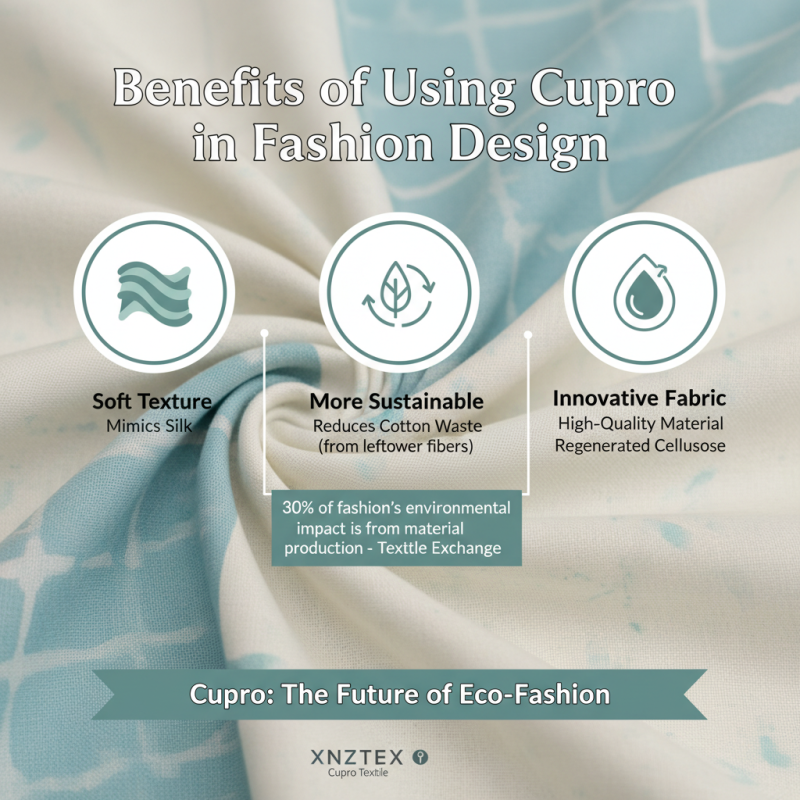
Cupro fabric, derived from regenerated cellulose, is gaining traction in the fashion world. Its soft texture mimics silk, while being more sustainable. According to the Textile Exchange, 30% of fashion's environmental impact comes from material production. Cupro Textile presents a solution by reducing waste from cotton production. This innovative fabric utilises leftover cotton fibers, transforming them into a high-quality material.
Fashion designers appreciate Cupro's versatility. It drapes beautifully and enhances garment structure. A report from the Sustainable Apparel Coalition highlights that 50% of consumers prefer brands with eco-friendly materials. This growing preference fuels the demand for materials like Cupro textile. Additionally, it is breathable and moisture-wicking, making it suitable for various climates.
However, challenges remain. The production of Cupro can involve chemical processes, raising concerns about environmental impact. Designers must balance these factors when choosing fabrics. While Cupro offers unique benefits, continuous evaluation of its production methods is essential for true sustainability. This reflective approach can lead to better practices in the industry, ensuring a positive future for fashion.
Environmental Impact of Cupro Fabric Production
Cupro fabric, known for its soft texture and luxurious feel, is gaining attention in the fashion world. However, its production does not come without environmental concerns. The process requires significant amounts of water and chemicals, which can impact local ecosystems. Factories often discharge waste, leading to potential water pollution. This raises questions about sustainable practices within the industry.
Tips for choosing eco-friendly fabrics include checking certifications. Look for textiles made from recycled materials or those certified by environmental organizations. Awareness of fabric sourcing is crucial. Opt for brands that prioritize sustainability in manufacturing.
Despite its appeal, cupro fabric's environmental footprint calls for reflection. Fashion's impact should never be overlooked. Consumers are encouraged to think critically about garment choices. Support brands that invest in green technologies and ethical labor practices. It is vital to push for innovation that prioritizes both style and the planet.
Comparative Analysis with Other Fabrics
Cupro fabric has gained attention for its lightweight and breathable qualities. It is a type of regenerated cellulose fiber, produced from cotton linter. This gives it a soft, silky texture that feels luxurious against the skin. When compared to traditional cotton, cupro offers better drape and a more elegant finish. Its ability to mimic silk without the high price tag makes it appealing for various fashion applications.
In contrast, polyester is widely used in the fashion industry. While it is durable and wrinkle-resistant, polyester lacks the breathability that cupro provides. This can lead to discomfort in warmer climates. Additionally, unlike cupro, polyester is derived from petroleum, which raises sustainability concerns. Linen is another alternative, known for its natural texture and breathability. However, it can be stiff and prone to wrinkles. Cupro stands out for its combination of softness, drape, and environmental impact, although its care instructions can be a consideration for consumers. Balancing aesthetics with practicality remains an ongoing challenge in fabric selection.
What is Cupro Fabric and Why is it Popular for Fashion? - Comparative Analysis with Other Fabrics
| Fabric Type | Composition | Breathability | Sustainability | Care Instructions | Common Uses |
| Cupro | Cotton waste and Cuprammonium solution | High | Semi-sustainable | Gentle wash, low heat | Dresses, linings, and blouses |
| Cotton | 100% Cotton | High | Sustainable (if organic) | Machine wash, medium heat | T-shirts, jeans, and bed linens |
| Silk | 100% Silk | Moderate | Vulnerable to over-farming | Dry clean recommended | Formal wear, scarves, and ties |
| Polyester | 100% Polyester | Low | Non-sustainable | Machine wash, high heat | Activewear, outerwear, and home textiles |
| Linen | 100% Flax | High | Sustainable | Machine wash, low heat | Summer clothing, tablecloths, and bedding |
Current Trends and Popularity in Fashion Industry
Cupro fabric is gaining traction in the fashion industry for its luxurious feel and eco-friendly properties. This material, derived from cotton linter, mimics silk, making it a popular alternative. Designers are embracing cupro for its drape and versatility, allowing for elegant designs and comfortable wear. The ability to create breathable garments makes it ideal for various fashion items, from dresses to accessories.
As trends shift towards sustainability, cupro fits perfectly into the narrative. Its production process uses less water and chemicals compared to traditional fabrics. This makes it appealing to eco-conscious consumers. Many fashion labels are adopting cupro to meet the demand for sustainable options without sacrificing style. However, not everyone is informed about the potential environmental impacts of fabric production. It’s essential for consumers to educate themselves while making choices.
Tips: Always check garment labels to understand fabric content. Consider how often you'll wear a piece before investing. Research the brand's sustainability practices. By being informed, you'll contribute to a more sustainable fashion industry. Balancing style and sustainability may seem challenging, but it’s worth the effort.
Exploring the Market Growth and Sustainability of Premium Tencel Linen Fabric: A Comprehensive Analysis Based on Industry Data
The premium Tencel linen fabric represents a significant advancement in textile technology, combining the remarkable qualities of Tencel and linen. This carefully crafted blend consists of 80% Tencel and 20% linen, resulting in a fabric that is both lightweight and breathable, ideal for warm climates. The moisture-wicking properties of Tencel enhance comfort, ensuring that the fabric gracefully drapes while keeping the skin cool and dry. Together, these fibers create a luxurious texture that exudes both casual charm and refined elegance.
One of the standout features of this fabric is its durability and resistance to pilling, making it a practical choice for everyday wear. The linen component adds breathability, allowing air to circulate and keep the wearer comfortable throughout the day. This makes the fabric perfect for various applications, from stylish summer clothing to elegant home furnishings. Its unique aesthetic appeals to consumers seeking sustainability without sacrificing style, aligning with contemporary market trends that prioritize eco-friendly materials. As the demand for premium and sustainable textiles continues to grow, Tencel linen fabric emerges as a leading choice, blending performance with a commitment to environmental responsibility.
FAQS
: Cupro fabric is made from regenerated cellulose fibers sourced from cotton linter, a byproduct of cotton production.
Cupro has a soft, silky texture, is lightweight, breathable, and drapes beautifully, ideal for spring and summer garments.
Cupro offers better breathability and comfort, while polyester is more durable but less comfortable in warm climates.
It is usually recommended to dry clean or gently wash cupro to maintain its quality and appearance.
Yes, cupro is considered more sustainable than synthetic fabrics, though its production process involves chemicals that raise concerns.
Some consumers may mistake cupro for synthetic materials due to its smooth texture and luxurious feel.
Yes, cupro has moisture-wicking properties, effectively keeping the wearer comfortable by absorbing moisture.
Cupro can be sensitive to high temperatures, requiring careful maintenance to prevent damage.
Cupro's demand has risen significantly as consumers seek sustainable and luxurious textile options in fashion.
Diving deep into material choices, like cupro, can help consumers make informed decisions and support sustainable practices.
Conclusion
Cupro Fabric is an innovative textile derived from cotton linter, offering a silky feel and breathable properties. Its development can be traced back to the early 20th century, initially aimed at providing an alternative to silk. Today, Cupro Fabric is celebrated for its luxurious drape, moisture-wicking abilities, and lightweight nature, making it a popular choice among fashion designers.
Incorporating Cupro Fabric into fashion design presents numerous benefits, including its biodegradable nature and reduced environmental impact compared to traditional textiles. As sustainability becomes a significant focus in the fashion industry, Cupro's eco-friendly credentials contribute to its rising popularity. Additionally, a comparative analysis with other fabrics highlights its unique qualities, placing Cupro Fabric at the forefront of current trends in contemporary fashion.