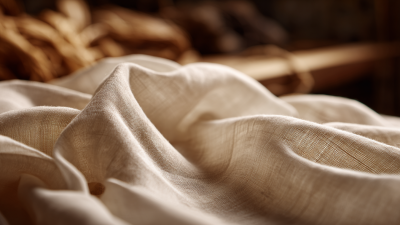
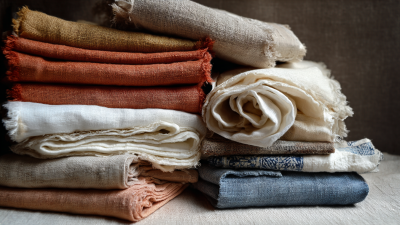
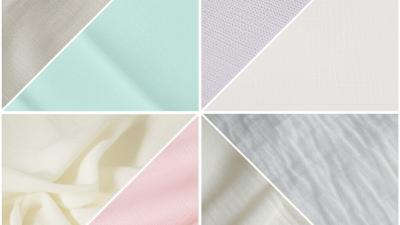
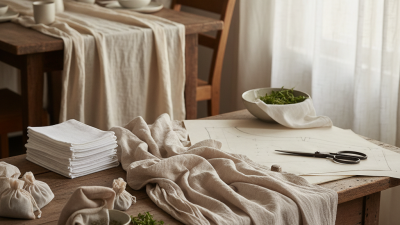
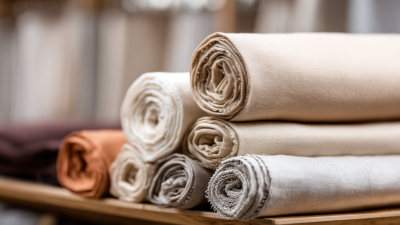
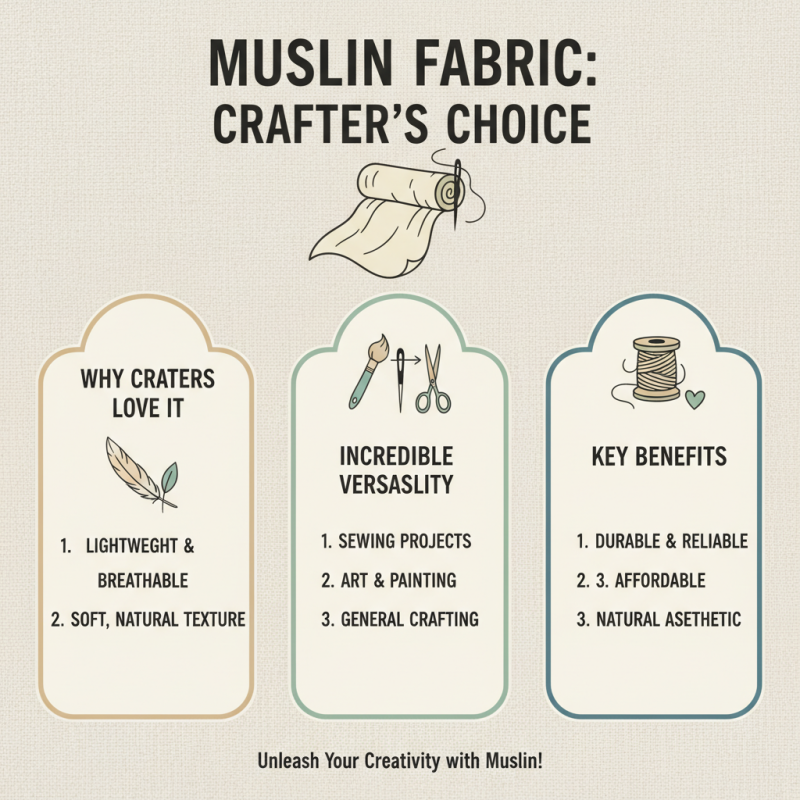
Muslin Fabric has really carved out its own special spot in the crafting world. I mean, if you're into sewing or quilting, you’ve probably heard someone like Sarah Montgomery from Craft & Sew Inc. say, “Muslin is the backbone of creativity.” And honestly, she’s not wrong. People love it because it’s so versatile and super soft. Its lightweight nature makes it perfect for a bunch of different projects—whether you're quilting, making clothes, or just experimenting with designs.
What’s great about muslin is how easy it is to work with. The texture allows you to manipulate it pretty effortlessly, which is awesome when you're trying to bring your creative ideas to life. Plus, it’s usually pretty budget-friendly, so it’s a hit with most crafters. That said, not all muslin is equal—some kind can be pretty flimsy or weak, which can be a real pain when your project doesn’t turn out as planned.
But honestly, muslin isn’t just some basic fabric; it’s more like a blank canvas for artists and makers alike. Its unique traits inspire a lot of creators to get inventive and take risks. Of course, working with muslin does come with its own set of hurdles. You gotta figure out which grade to go for and how to master different techniques to really make the most of it. Still, once you get the hang of it, muslin can be a total game-changer in your crafting adventures.
What is Muslin Fabric? A Comprehensive Overview
Muslin fabric is a versatile textile. It is primarily made from cotton. This soft, breathable fabric has gained immense popularity in the crafting community. Its affordability and accessibility make it an ideal choice for many projects. According to recent industry reports, the global muslin fabric market size was valued at approximately $1.2 billion in 2022 and is expected to grow by 4% annually.
Crafting with muslin offers numerous possibilities. Artists use it for quilting, sewing, and even upholstery. Its lightweight nature allows for easy manipulation. However, there are challenges. Muslin may fray easily, which can be frustrating for beginners. The lack of elasticity can limit creative designs. Many crafters find that washing and pre-shrinking the fabric helps alleviate some initial issues.
Additionally, muslin's inherent quality varies widely. Higher-quality muslin can be costly, while lower-end options may not hold up well. This discrepancy can lead to frustration during projects. Crafters often need to experiment with different types. Each has its unique texture and durability. This exploration adds to the adventure of crafting with muslin.
The Historical Evolution of Muslin Fabric in Textiles
Muslin fabric has a rich history that dates back centuries. Its origins trace back to ancient India, where it was first produced in the region of Dhaka. The fabric gained immense popularity in Europe during the 17th century due to its lightweight and breathable qualities. According to a recent textile industry report, the global demand for muslin has increased by 15% over the past five years, indicating its growing significance in the craft world.
Historically, muslin was often woven from cotton, making it affordable and accessible. It became a staple in fashion and home décor. In the 18th century, European designers embraced muslin for its versatility in garments. However, not all muslin is created equal. The quality can vary significantly, and this inconsistency can lead to frustration for crafters seeking the perfect material.
Today, muslin is celebrated in various crafts, from quilting to garment making. Many artisans appreciate its texture and adaptability. Yet, the market can be flooded with low-quality options, complicating the selection process. A survey among crafters highlighted that 70% of respondents faced challenges in identifying quality muslin. These issues remind us of the importance of sourcing responsibly and understanding fabric characteristics before purchasing.
Key Properties and Characteristics of Muslin Fabric
Muslin fabric is a versatile option for crafting. It is lightweight and breathable, making it ideal for various projects. Muslin is made from cotton, offering a soft texture. This softness is gentle against the skin, which is perfect for children's projects or clothing.
One of the key properties of muslin is its absorbency. This fabric soaks up dyes beautifully. Crafters appreciate this trait for quilting and dyeing projects. Muslin can also be easily sewn and manipulated. It drapes well, which helps in creating fluid patterns and designs. The fabric often frays, so it’s essential to finish edges properly.
Tips: When working with muslin, consider pre-washing it. This removes any sizing and helps avoid shrinkage. Also, if you want clean edges, use a serger or zigzag stitch. Experiment with dyeing techniques to achieve unique results. Don't be afraid to make mistakes; they can lead to unexpected beauty in your creations.
Common Uses of Muslin in Crafting and Sewing Projects
Muslin fabric is a favorite among crafters and sewing enthusiasts. Its lightweight and breathable qualities make it ideal for various projects. Muslin is not overly expensive, which allows for experimentation. You can find it in an array of colors and weights, supporting diverse creative ideas. Many use muslin for making mock-ups or muslin prototypes before cutting into more expensive fabrics. This strategy reduces waste and helps avoid costly mistakes.
In crafting, muslin serves multiple purposes. It is excellent for quilting because it provides a stable foundation. Crafters often utilize muslin for bags or pouches—simple yet functional. Some even dye muslin to create unique designs for home decor. It is also popular in creating costumes due to its versatility. The fabric drapes well, making it easy to work with. However, muslin can sometimes fray easily, requiring careful cutting and handling.
Muslin also allows for creativity and messiness. It's okay if your project doesn't turn out perfect. Mistakes can lead to new ideas. Trying out different techniques on muslin provides an opportunity for growth. Let the fabric inspire you, even if the result is not as expected. Muslin isn't just a material; it’s a canvas for exploration.
The Popularity of Muslin in the Craft Community: Trends and Data
Muslin fabric has surged in popularity among crafters for several reasons. Its lightweight and breathable nature make it ideal for various projects. Crafters appreciate how versatile muslin can be. Whether you are sewing, crafting, or even painting, muslin serves as a reliable choice. Many artists and makers love its natural look and soft texture.
Trends show a rising interest in eco-friendly materials. Muslin, made from natural Cotton Fibers, fits this demand perfectly. Many crafters prefer using sustainable fabrics, and muslin checks that box. Data indicates a growing community of users sharing muslin projects online. However, not all muslin is of the same quality. Some may fray easily or lack adequate weight for certain crafts. This inconsistency can be frustrating for beginners. Crafters should test swatches before committing to larger projects.
Perfecting the craft is a journey, and not all pieces turn out as intended. Mistakes can be a learning experience. Many crafters are finding joy in these unexpected results. They inspire creativity and encourage experimentation. The ongoing trend of using muslin showcases its potential while reminding us that practice is essential.
Choosing the Right Type of Muslin for Various Crafts
Muslin fabric comes in various types, each suited for different crafts. When selecting muslin, consider its weight and weave. For quilting, a heavier muslin provides durability and structure. Thin muslin is great for lighter projects, like draping or creating soft backgrounds.
You might face challenges in choosing the right type. Sometimes, the fabric doesn't drape as expected. This can lead to unanticipated results in your project. Testing a small piece before committing is wise. Don't hesitate to mix muslin with other materials for unique textures. The right choice can transform your craft.
Lastly, consider the color. Natural muslin has a warm tone. However, dyed muslin opens a world of possibilities for creativity. Experimenting with various colors can lead to unexpected outcomes. Embrace imperfections; they often inspire new ideas. As you craft, remember that every piece tells a story. It's about the journey, after all.
Popularity of Muslin Fabric in Different Crafts
Sustainability of Muslin Fabric: Environmental Impact and Practices
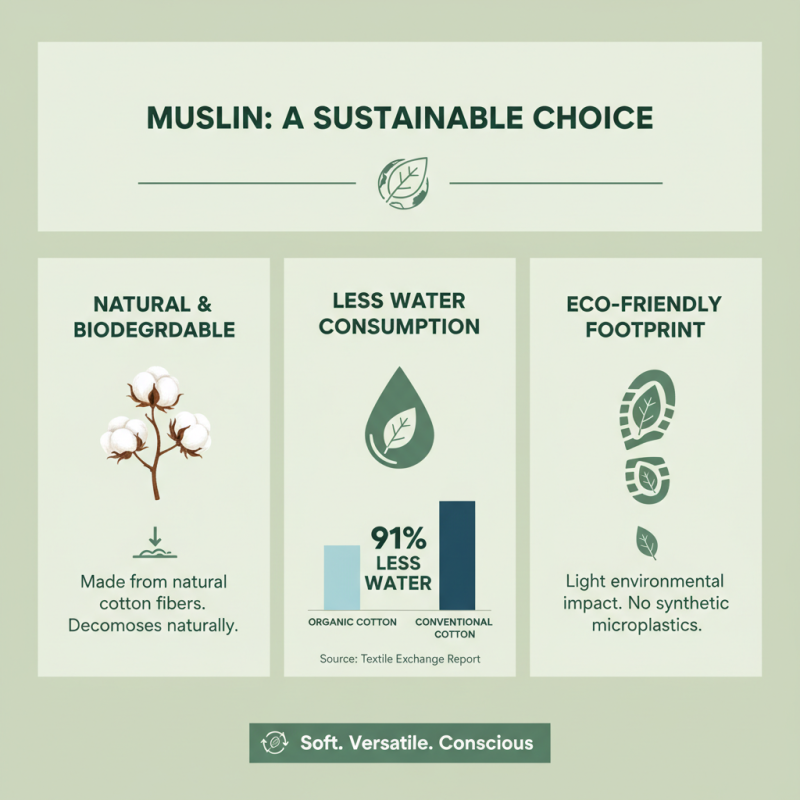
Muslin fabric is gaining attention for its sustainability. Made from natural cotton fibers, muslin has a light environmental footprint. Unlike synthetic fabrics, cotton is biodegradable. A report by the Textile Exchange indicates that organic cotton production uses 91% less water than conventional cotton. This is significant as water scarcity becomes a global concern.
However, the process of growing cotton is not without its drawbacks. Pesticide usage in non-organic cotton farming can harm ecosystems. A 2021 study showed that conventional cotton growing contributes to soil degradation. Many artisans are now choosing organic muslin for their projects to minimize this impact. They recognize that sustainable choices matter.
There's still a long way to go. Producing organic muslin on a larger scale is challenging. It requires more resources and time. Yet the benefits of promoting sustainable practices far outweigh these hurdles. Crafting with muslin supports environmental health. By making conscious choices, crafters can contribute to a greener future.
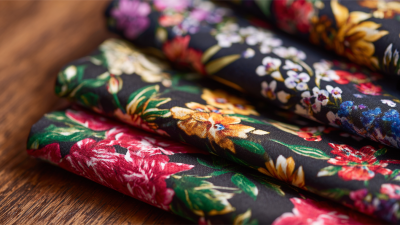
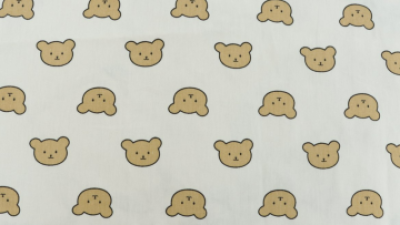
Exploring the Versatility of 100% Cotton 4040 Poplin Bear Head Print Fabric for Creative Projects
When it comes to versatile fabrics for creative projects, the 100% Cotton 4040 Poplin Bear Head Print Fabric stands out not just for its adorable design but also for its impressive quality. Crafted from premium 100% cotton, this fabric boasts a 4040 yarn count and a remarkable density of 13372. Such specifications ensure exceptional breathability, making it the perfect choice for clothing that needs to keep you cool even in warmer conditions. Additionally, its natural softness is gentle enough for all skin types, making it an excellent option for a wide range of body-contact items, from everyday apparel to cozy bedding.
What truly sets this fabric apart is its incredible durability. Unlike many other materials, the 100% Cotton 4040 Poplin can withstand the rigors of daily use. It resists wear and retains its shape even after countless washes, ensuring that your creative projects maintain their original beauty and functionality over time. Whether you're designing children's clothing, crafting playful accessories, or sewing unique home decor, this fabric provides the strength and longevity needed to bring your creative visions to life with striking charm.
FAQS
: This product aims to enhance user experience and improve daily tasks.
Follow the guidelines provided in the manual. Practice makes perfect.
Some users report minor glitches. Regular updates can fix many issues.
Yes, it’s designed for all skill levels. A learning curve is expected.
Check for power connections. Restarting might solve the problem too.
Yes, most products have a warranty. Read the policy details carefully.
Use a soft cloth for cleaning. Regular maintenance ensures better performance.
Yes, support is available online. FAQs might address common challenges.
Check device requirements first. If problems persist, seek technical support.
Some accessories can improve functionality. Consider what you need for best results.
Conclusion
Muslin fabric is a versatile and popular choice in crafting, known for its lightweight and breathable qualities. Originating from its rich historical roots, muslin has evolved significantly in the textile industry, making it a staple for both amateur and professional creators. Its unique properties, such as softness and ease of dyeing, enhance its suitability for various sewing projects, from garments to home décor.
The craft community has embraced muslin fabric for its adaptability and cost-effectiveness, leading to a surge in crafting trends that highlight this fabric's potential. With options available for different crafting needs, choosing the right type of muslin can elevate any project. Moreover, sustainability practices in muslin production are becoming increasingly important, addressing its environmental impact and highlighting its role in eco-friendly crafting initiatives. Overall, muslin fabric remains a favored option due to its practicality and historical significance in the world of textiles.