Leave Your Message
A Comprehensive Look at Industrial Convergence, Automotive Synergy, Eco-standards, and Canvas Supply Chains in Aichi Prefecture.
Situated at the geographic and economic epicenter of Japan's Chukyo Industrial Region, Nagoya (and the broader Aichi Prefecture) holds an undisputed reputation as Japan’s manufacturing engine. Renowned globally for automotive titans such as Toyota, aerospace engineering, industrial machinery, and deep-water maritime logistics around the Port of Nagoya, the prefecture demands raw materials that conform to the highest metrics of tensile resilience, abrasion resistance, and dimensional stability. Within this rigorous ecosystem, canvas fabric occupies an essential role that transitions seamlessly between heavy industrial utility and high-end consumer refinement.
Historically, the Tokai region has harbored deep textile traditions, including Mikawa cotton weaving and Arimatsu tie-dyeing. Today, modern industrial procurement across Nagoya demands that canvas fabric manufacturers bridge traditional structural integrity with 21st-century technological performance. From heavy-duty protective tarpaulins used in automated assembly plants to precision canvas covers designed for aerospace component transport, canvas fabric must withstand friction, load stress, and fluctuating environmental parameters. As an established direct-source canvas manufacturer, Shaoxing Xiaonizi Textile Co., Ltd. provides direct mill agility, integrating high-density spinning and micro-tension weaving to satisfy Nagoya’s rigorous industrial standards.
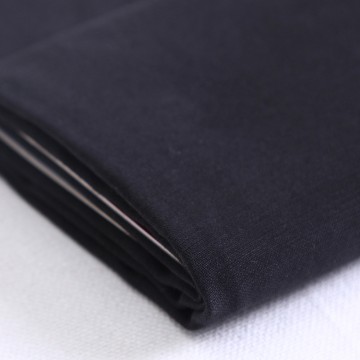
High-tensile heavy duck canvas, fire-retardant industrial linings, and rugged protective gear crafted specifically for Aichi’s dense automotive and equipment manufacturing hubs.
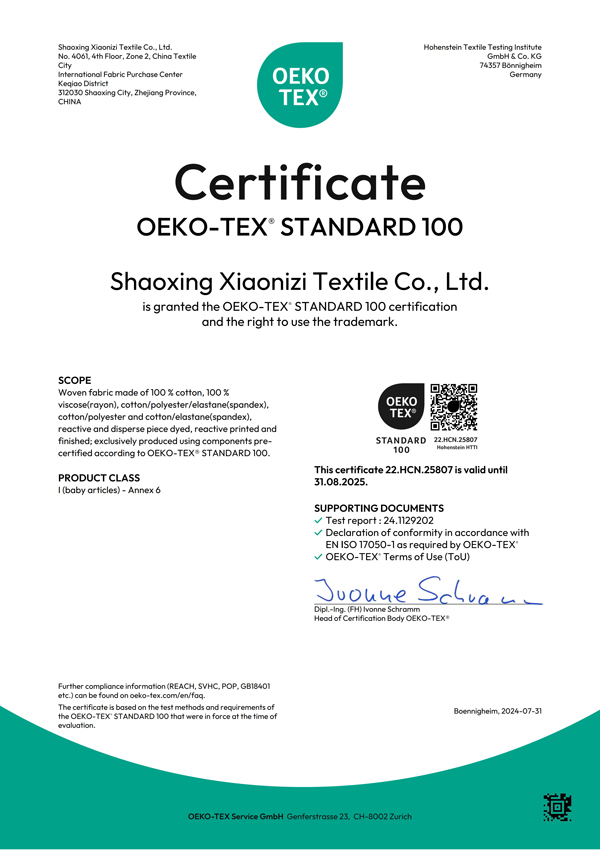
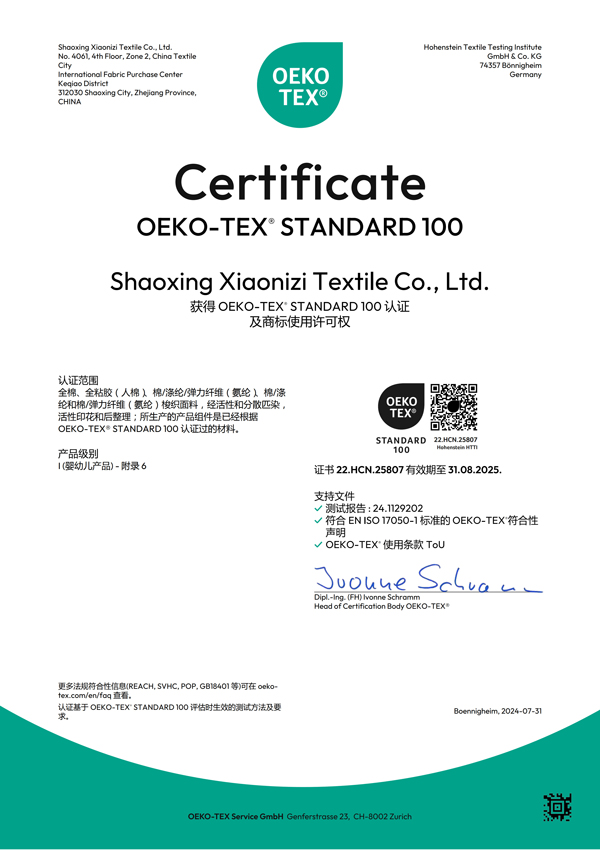
Oeko-Tex Standard 100, GOTS certified organic canvas, and PFC-free water repellent finishes matching Japan’s stringent Green Purchasing Law directives.
Automated optical yarn inspection, zero-defect computerized tension control, and consistent batch dye-lot precision guarantee high reliability for OEM/ODM partners.
The Japanese canvas market is undergoing a pivotal transformation guided by carbon neutrality initiatives, localized customization, and functional ergonomics. Several prominent trends define contemporary fabric sourcing in Nagoya:
1. Eco-Conscious Chemistry and Biodegradable Canvas Blends: Leading Japanese brands are actively phasing out fluorochemical-based durable water repellents (DWR) and halogenated flame retardants. Today's commercial buyers in Nagoya prioritize organic cotton canvas, recycled cotton blends, and bio-based wax finishes. Manufacturers capable of delivering OEKO-TEX Standard 100 certified non-toxic canvas gain an immediate competitive advantage in tender evaluations for corporate uniforms, institutional canvas gear, and consumer goods.
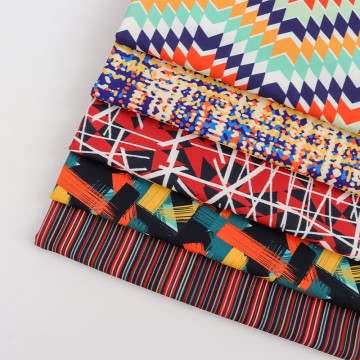
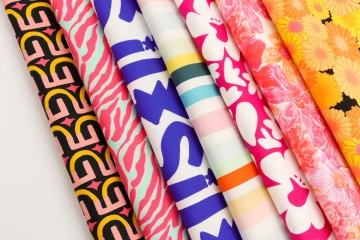
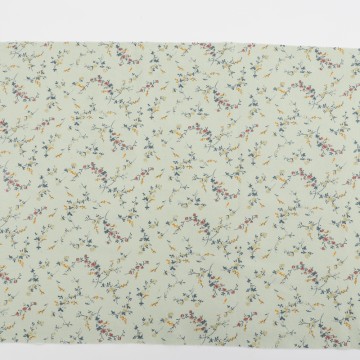
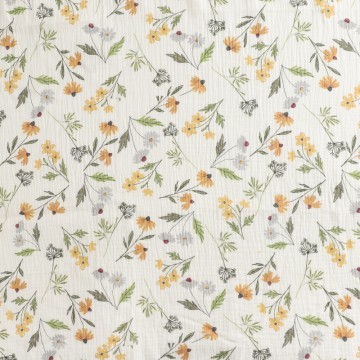
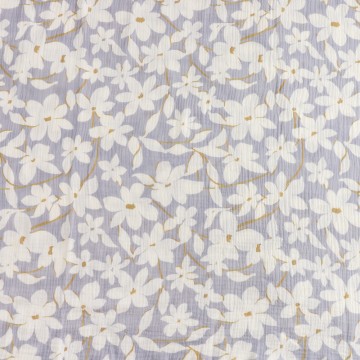
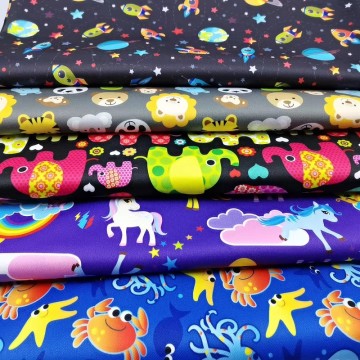
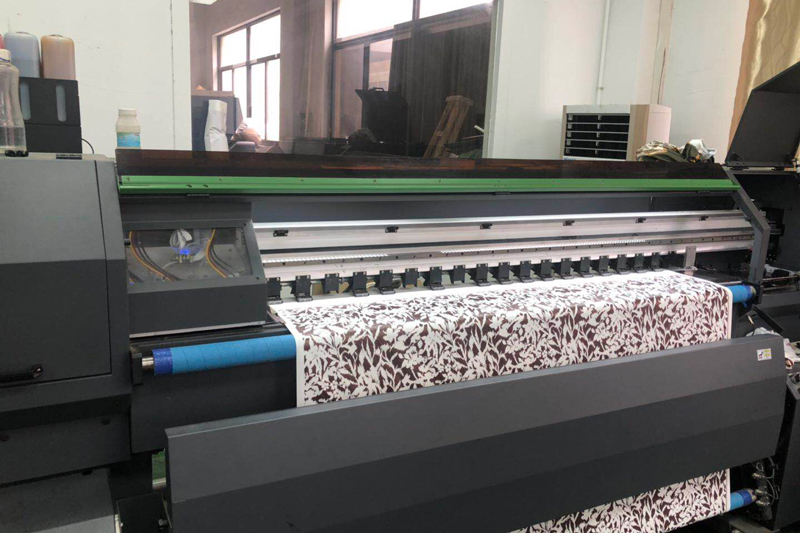
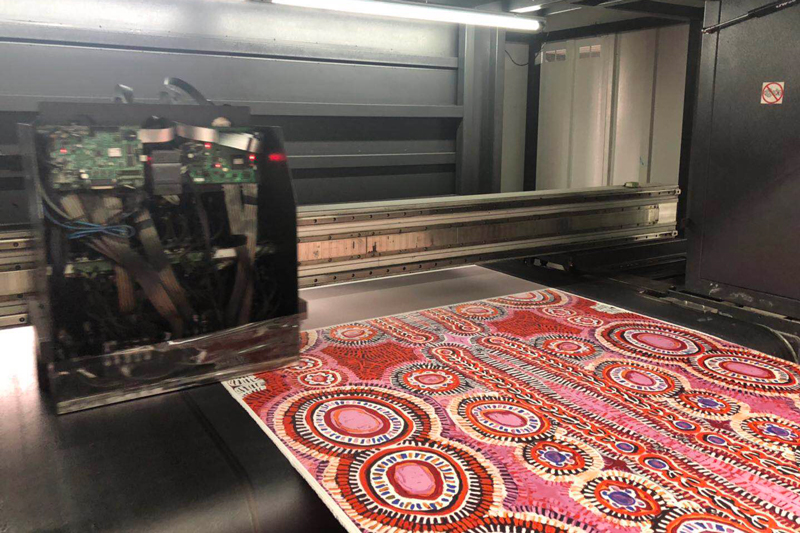
2. High-Definition Digital Canvas Printing & Bespoke Surface Aesthetics: The intersection of heritage fashion and streetwear in Nagoya’s Sakae and Osu districts has sparked high demand for 21S and 10S fine-woven printed canvas. Advances in pigment digital inkjet technology enable ultra-vivid photorealistic prints on heavy cotton substrates without compromising the fabric’s breathability or tactile structure.
3. Hybrid Fiber Compositions: While traditional 100% cotton canvas remains timeless, Nagoya’s outdoor, workwear, and travel luggage producers increasingly request hybrid weaves. Blending cotton warp with recycled polyester, Cordura-style high-tenacity nylon, or Tencel cellulosic fibers yields canvas that is significantly lighter, moisture-wicking, tear-resistant, and quick-drying, perfect for variable climates along Ise Bay.
Our manufacturing mill supplies diverse canvas variants optimized for four primary market sectors across Nagoya and adjacent industrial clusters:
A. Automotive Interior Assemblies & Tool Organizers: In Toyota City, Kariya, and Komaki, industrial-grade duck canvas is utilized for technician heavy tool wraps, robotic protective sleeves, cargo bed barriers, and specialized seating trims that require rugged tear resistance and anti-pilling properties.
B. Marine, Port Tarpaulins & Architectural Shading: Operating in Nagoya Port—one of Japan’s largest sea freight gateways—requires water-resistant, mold-resistant, and UV-stabilized heavy cotton-polyester canvas to protect freight cargo, boat fittings, and temporary tensile architectural structures against humid coastal conditions.
C. Sustainable Retail Eco-Totes & Lifestyle Bags: Nagoya’s vibrant consumer retail landscape consistently champions heavy canvas tote bags, backpacks, and artisan apron series. Using 12oz to 18oz natural unbleached or bespoke dyed canvas, local brands craft collectible promotional and designer bags aligned with Japan’s zero-plastic lifestyle trends.
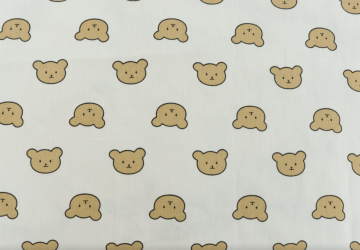
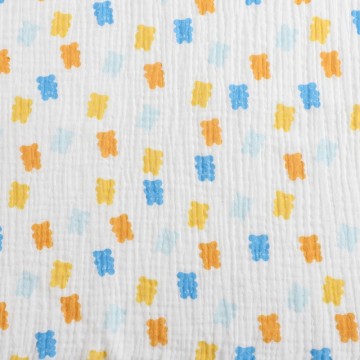
D. Safety-First Apparel & Infant Textiles: With strict national standards regulating textile safety (JIS L 1041 and JIS L 1096), our hypoallergenic, formaldehyde-free, and skin-friendly combed cotton canvas and gauze variants provide absolute peace of mind for Nagoya infant wear labels and hospitality providers.
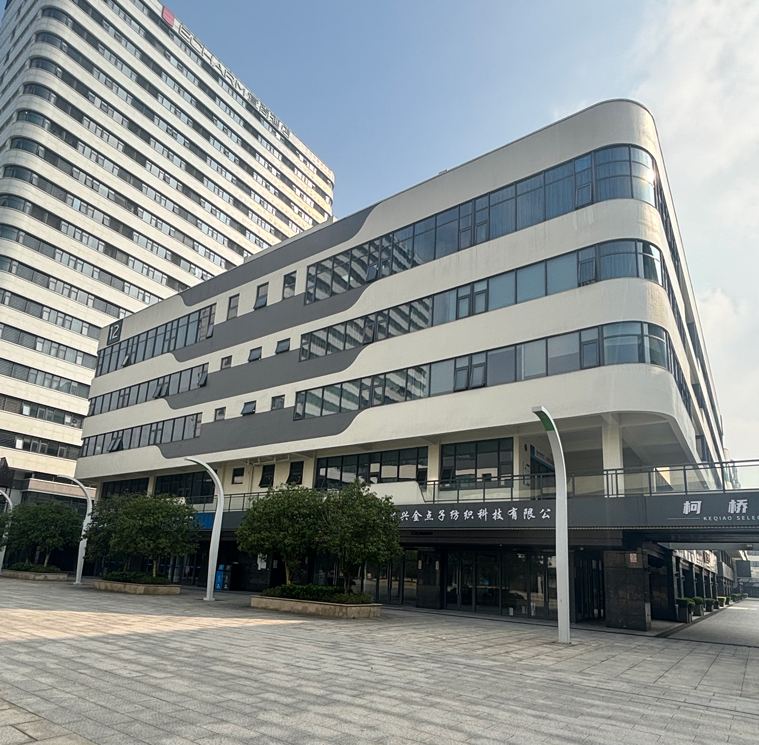
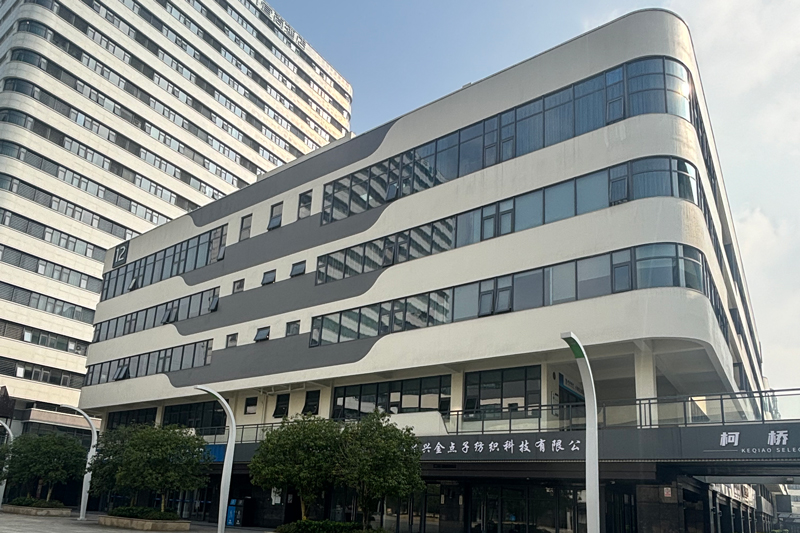
Located in Keqiao, Shaoxing -- China's textile city — Shaoxing Xiaonizi Textile Co., Ltd. has specialized in eco-friendly natural fabric production and trade for over 16 years. We focus on creating high-quality woven and knitted fabrics from cotton, linen, viscose, rayon, Tencel, and blended materials, serving global fashion and infant clothing markets with certified sustainable solutions.
Since 2009, our journey has been defined by evolving with market demands while holding fast to our core mission: delivering fabrics that balance comfort, durability, and environmental responsibility. With over a decade and a half of experience, we’ve honed our capabilities in both traditional craftsmanship and modern manufacturing, earning trust as a reliable partner for brands prioritizing sustainability.
Tailored production capabilities built to streamline supply chains for international importers and Nagoya-based commercial enterprises.
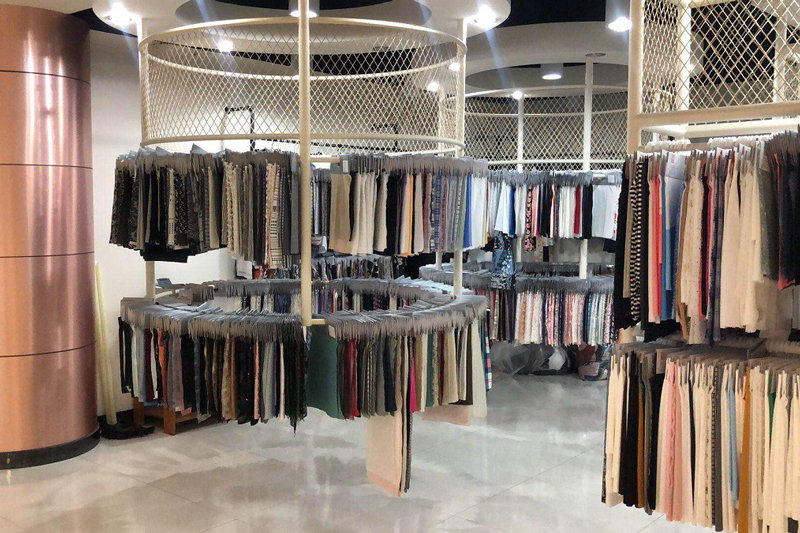
From breathable cotton-linen blends to luxurious Tencel-viscose mixes, our portfolio caters to fashion and babywear with 50+ sustainable options.
Offer bespoke printing, Pantone-matched coloring, and tailored finishes, supporting small MOQs (minimum order quantities) to empower emerging designers and brands.
Prioritize natural fibers and eco-friendly processes, reducing environmental impact while meeting global green consumption trends.
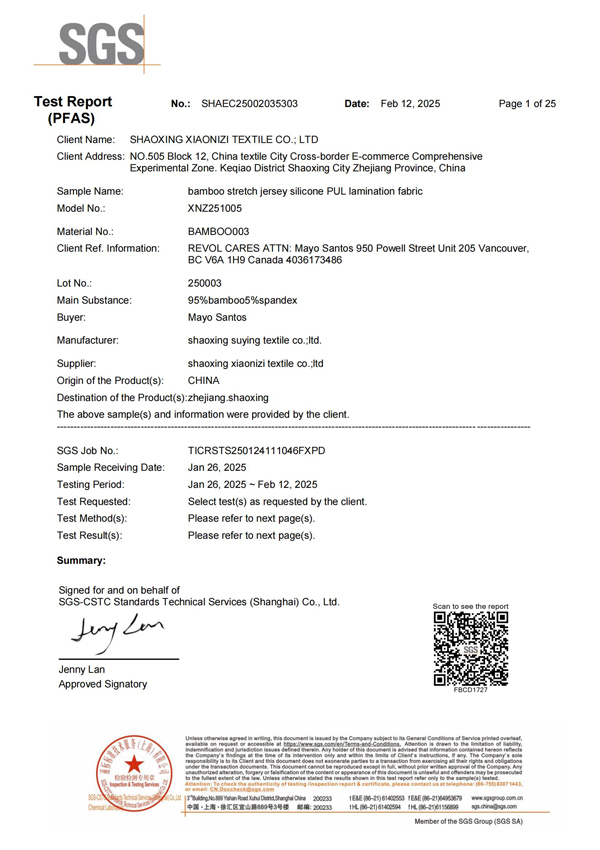
In-house labs test for strength, colorfastness, and safety, ensuring compliance with international norms and fostering long-term client partnerships.
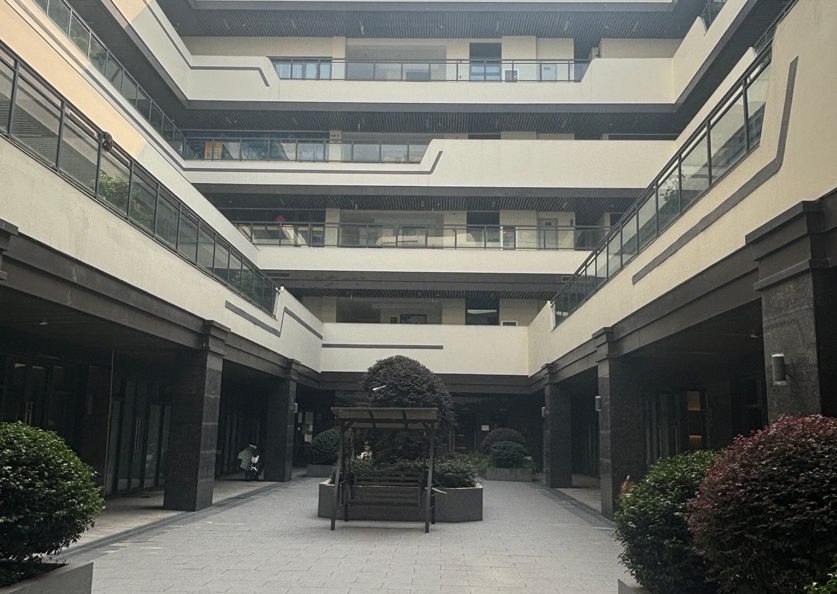
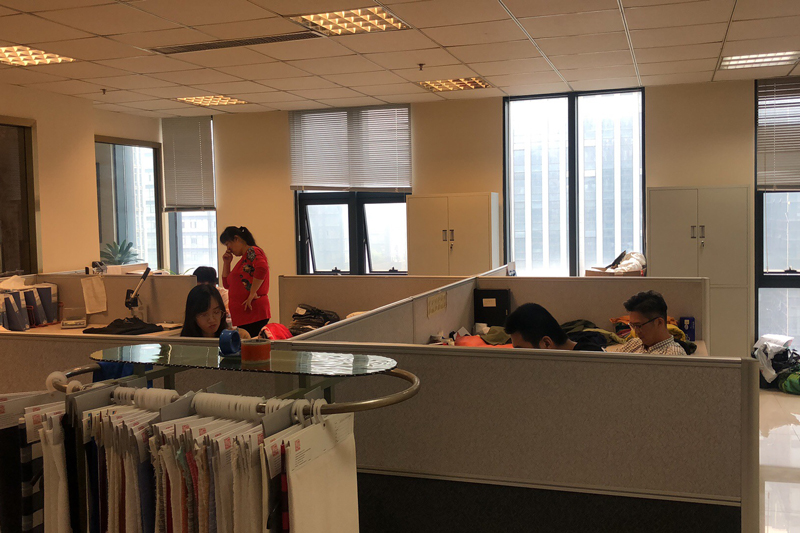
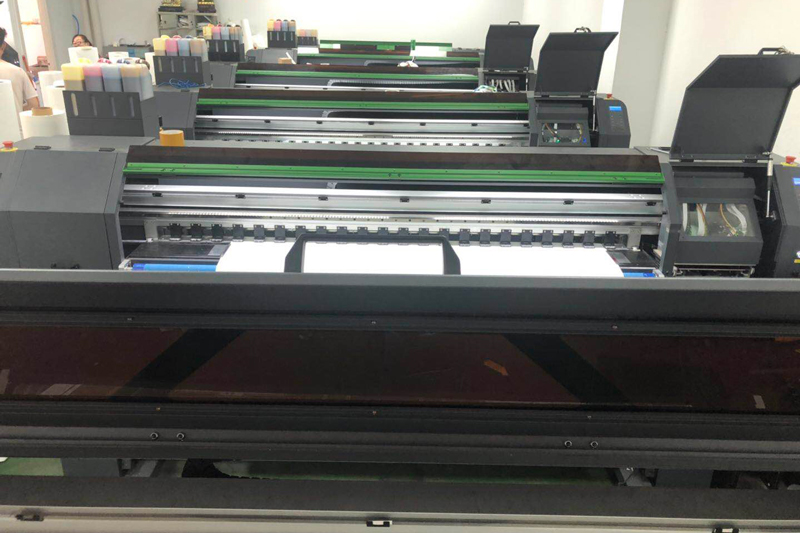
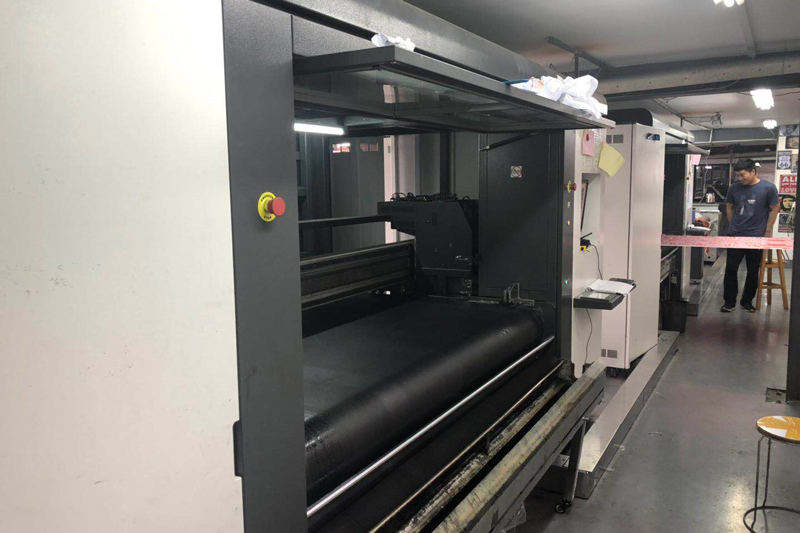
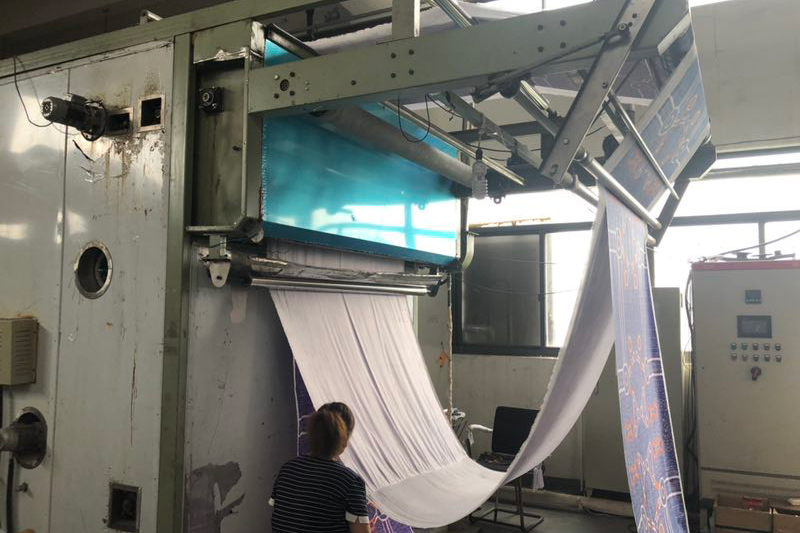
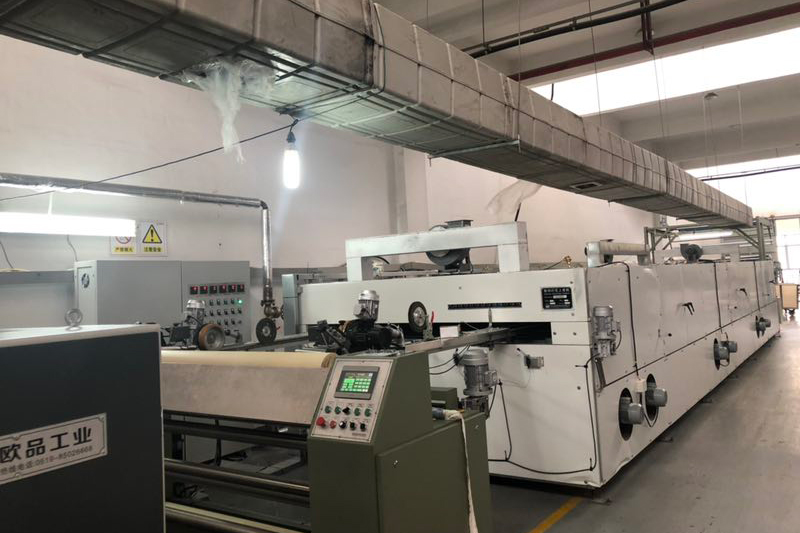
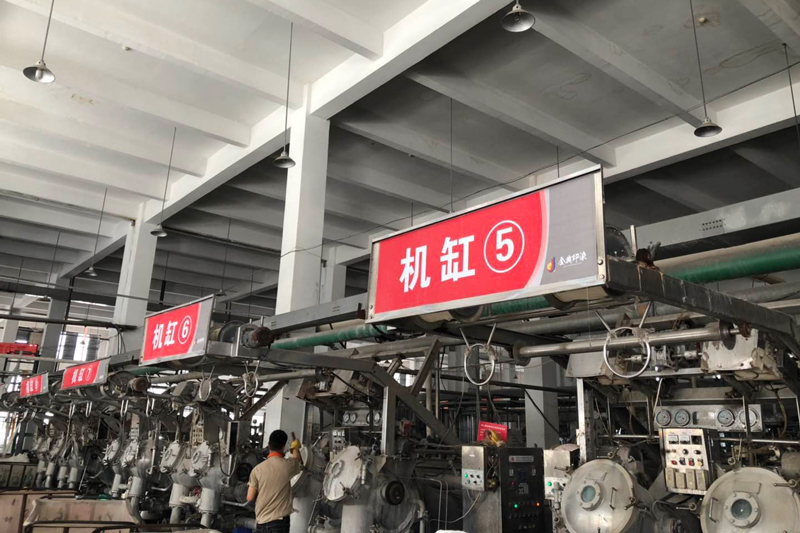
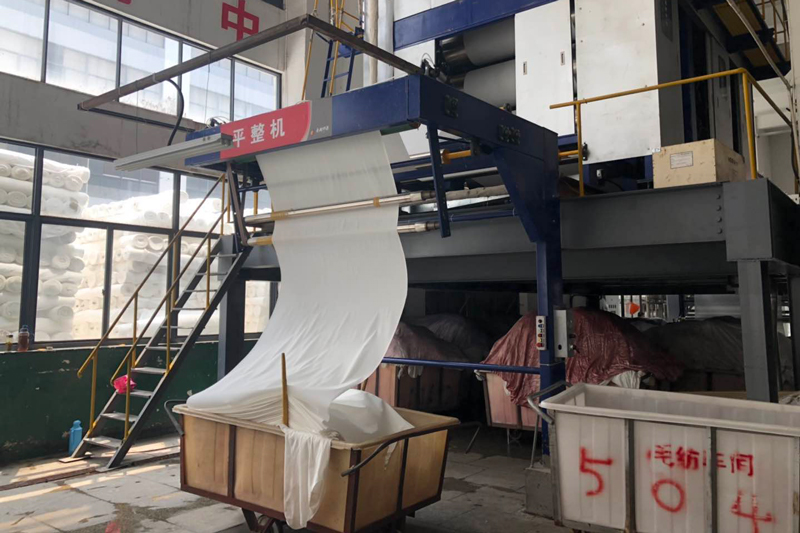
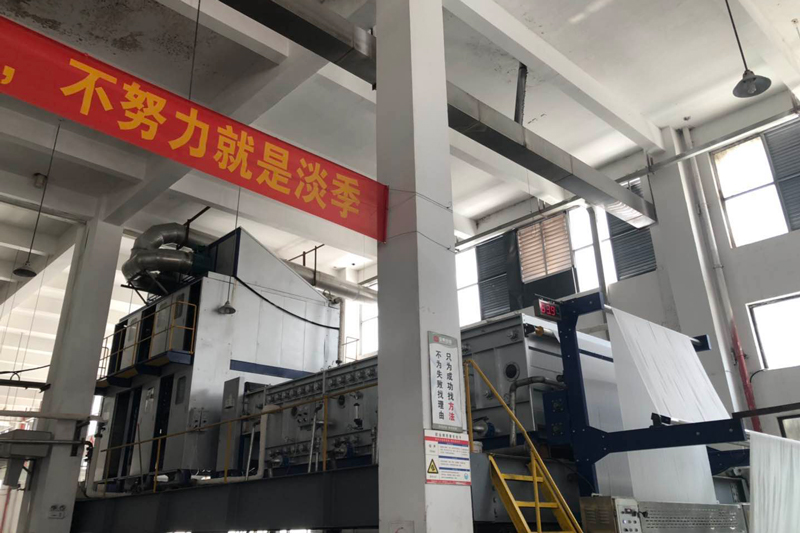
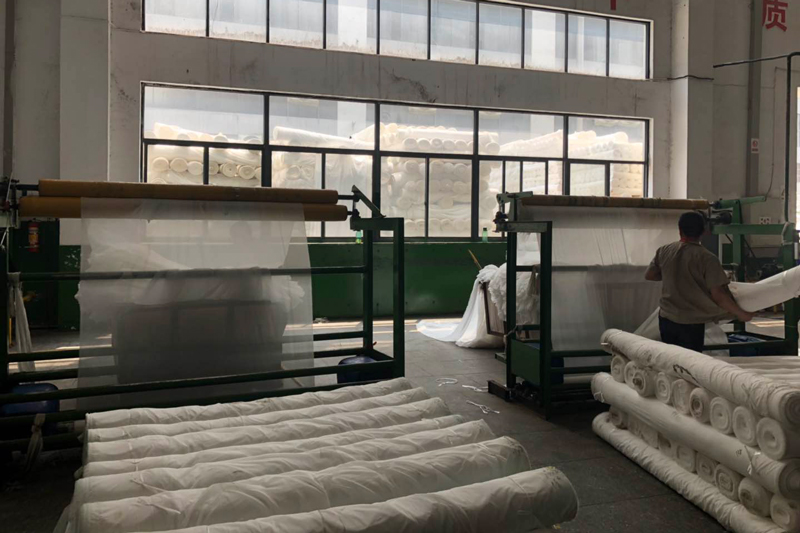
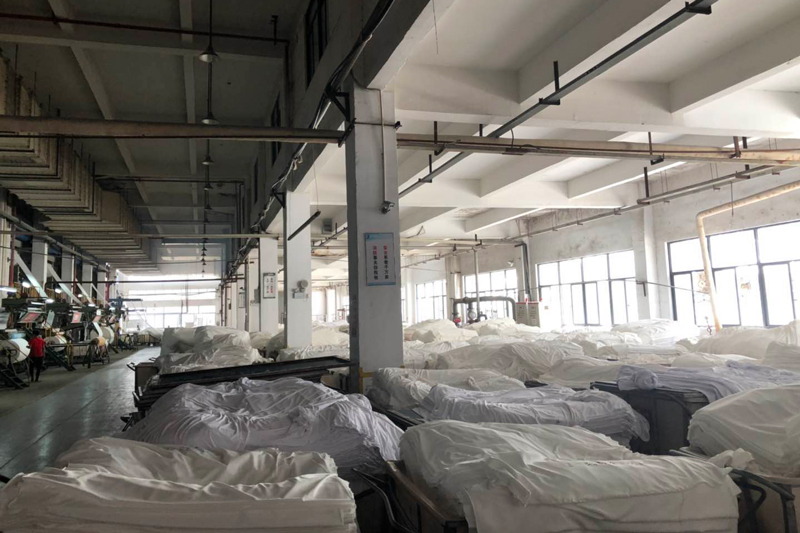
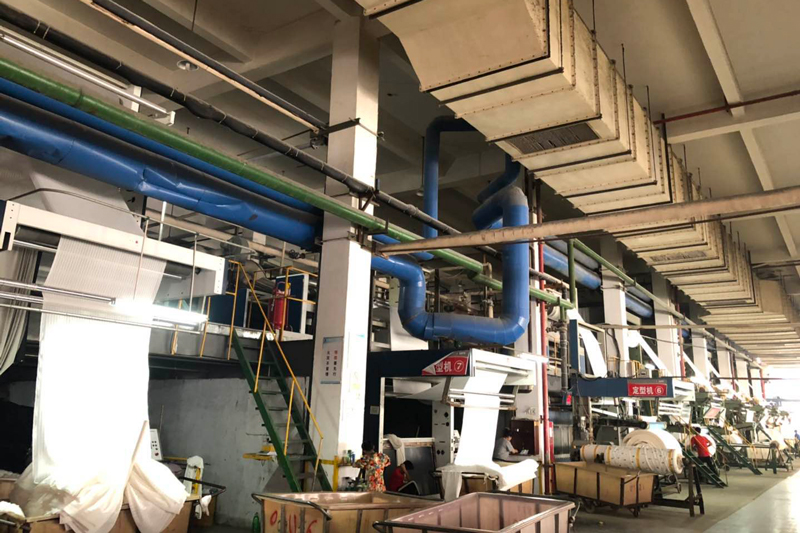
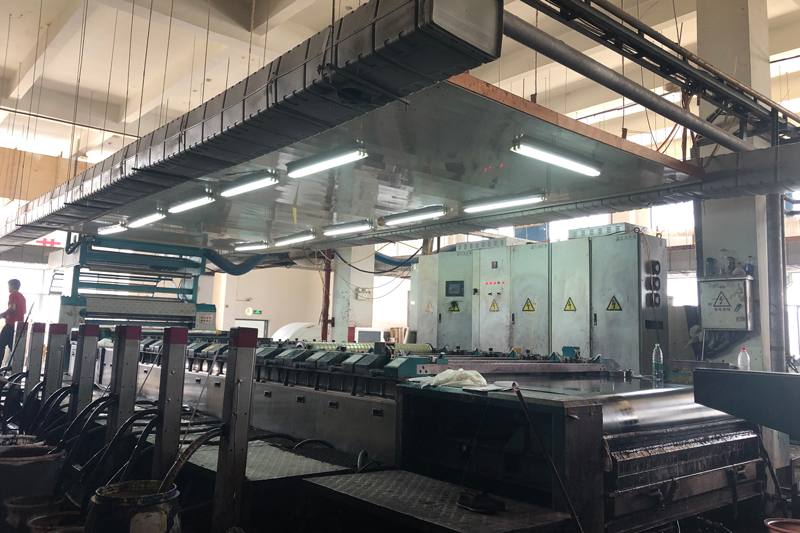
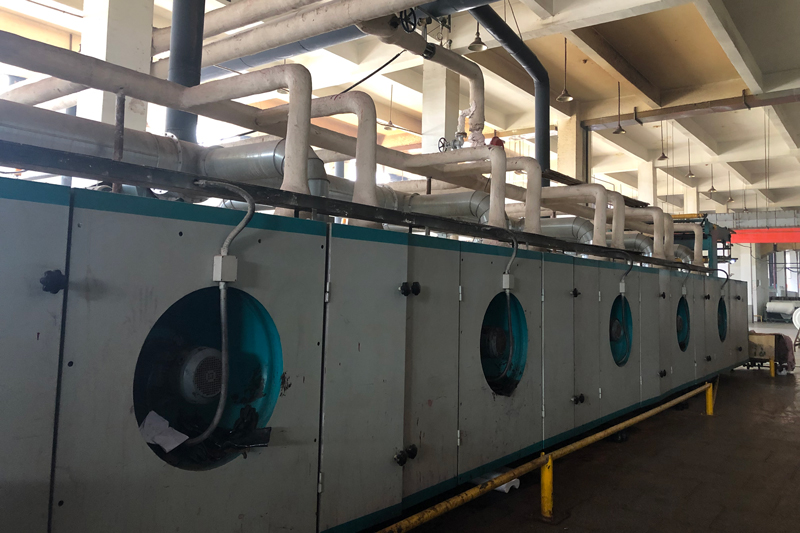
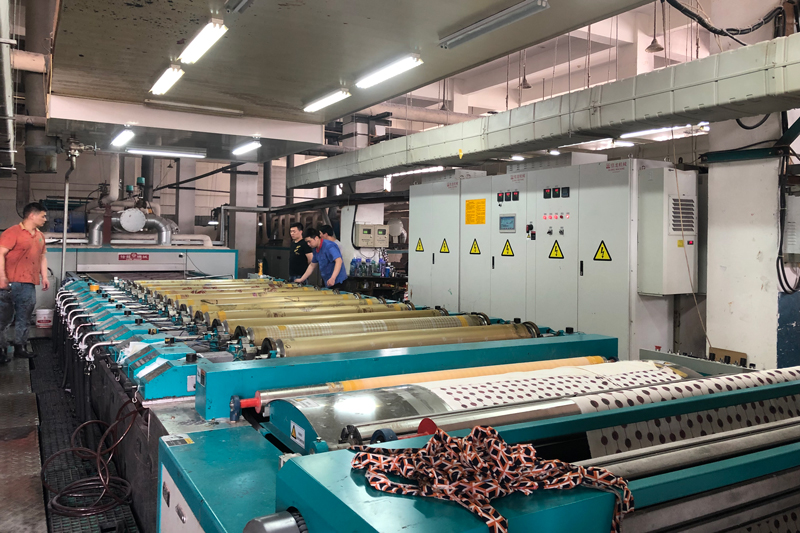
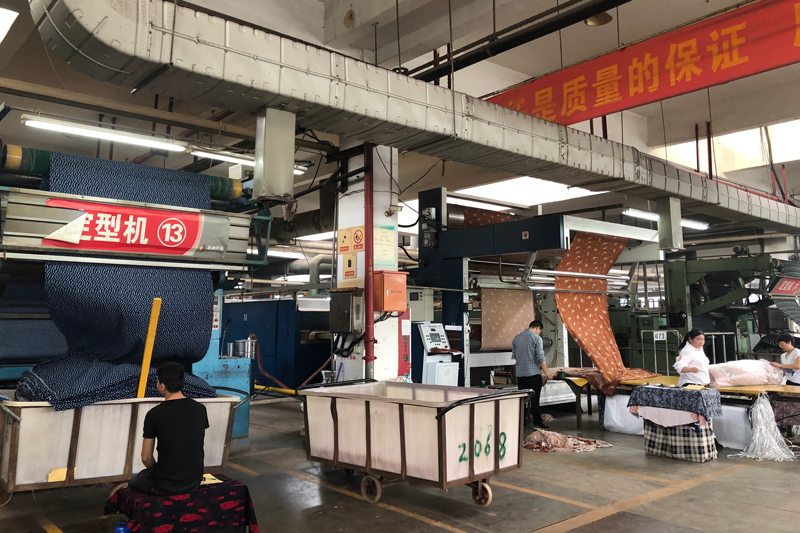
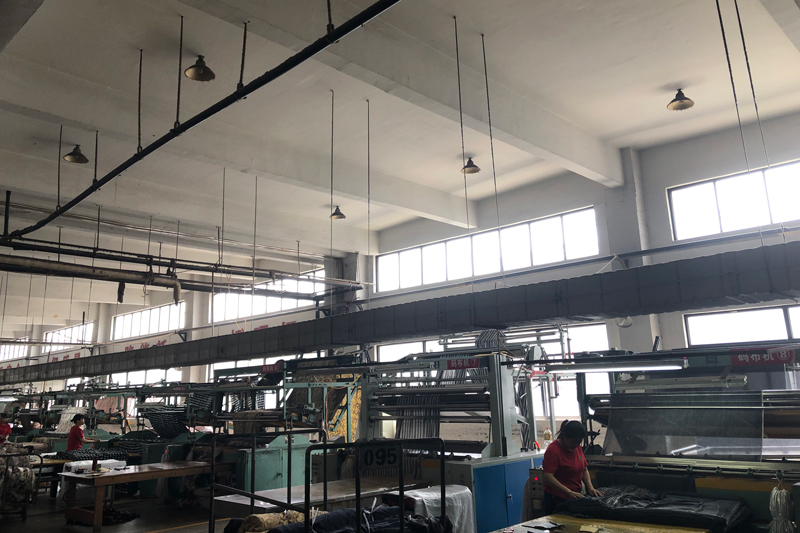
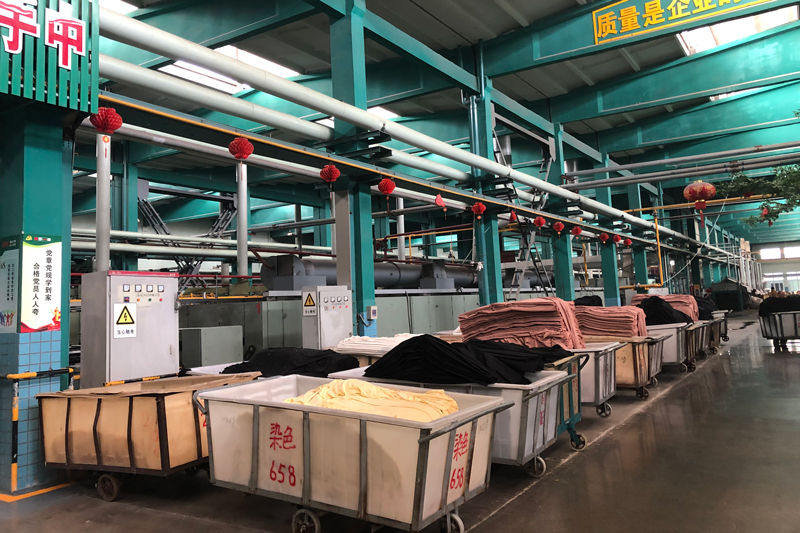
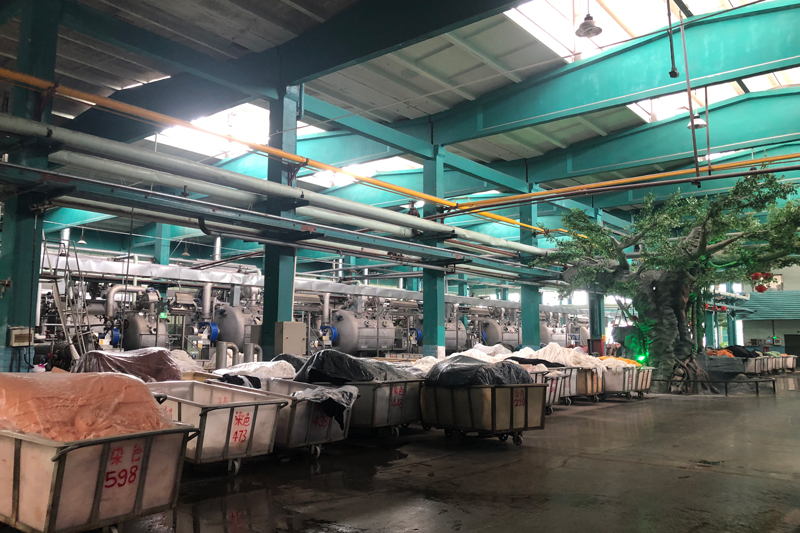
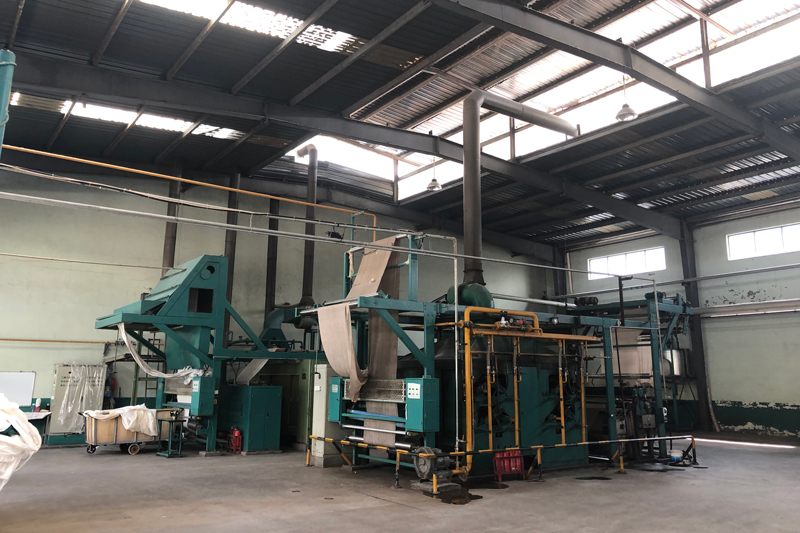
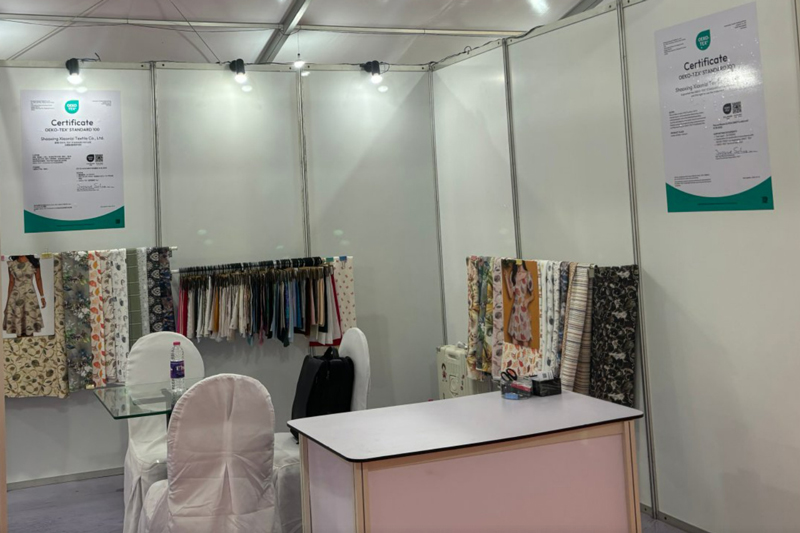
Our state-of-the-art facilities integrate cutting-edge machinery with strict quality control, ensuring consistent excellence in every meter of fabric. Certified by Oeko-Tex, our materials meet the highest safety standards, free from harmful substances—ideal for infant apparel and sensitive applications. We manage both woven and knitted production efficiently, leveraging scientific management systems to maintain stability in texture, color, and performance across all product lines.
As global demand for sustainable textiles rises, we aim to lead through:
Choose Xiaonizi Textile for more than just fabrics—gain a partner committed to your brand’s success. Our 16 years of expertise, flexible services, and Oeko-Tex certified materials ensure your designs meet both quality and sustainability goals. Contact us today to explore how our sustainable solutions can elevate your products. Together, we weave progress into every thread.
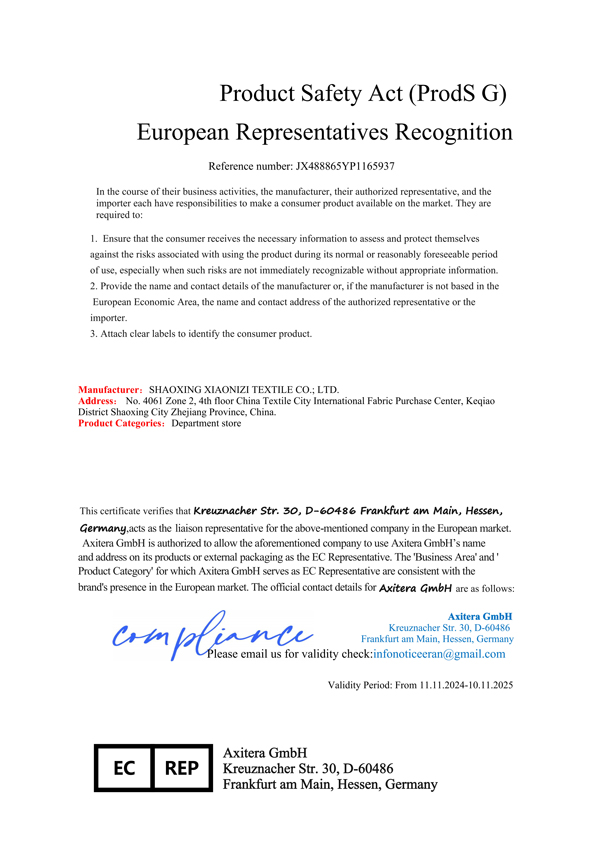
Fully compliant with world-class safety, environmental, and hazardous substance elimination benchmarks.
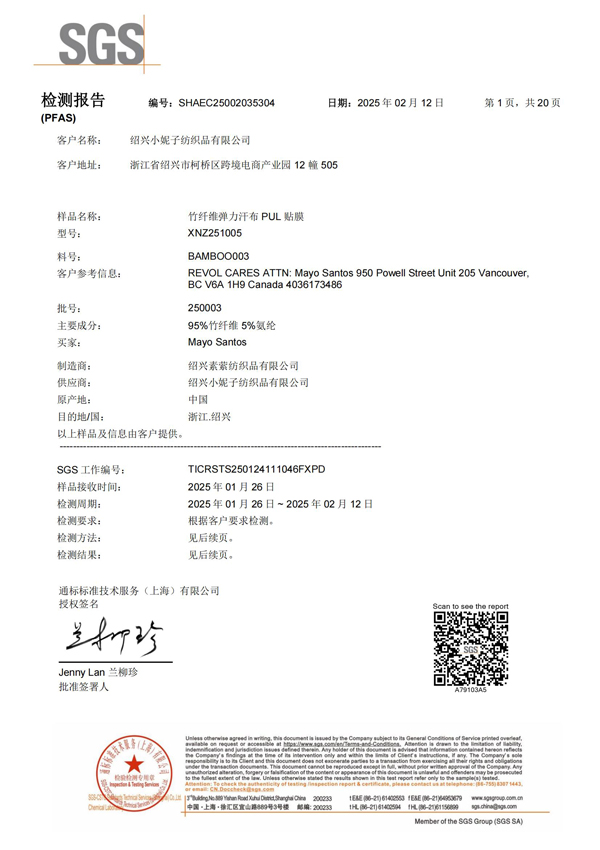
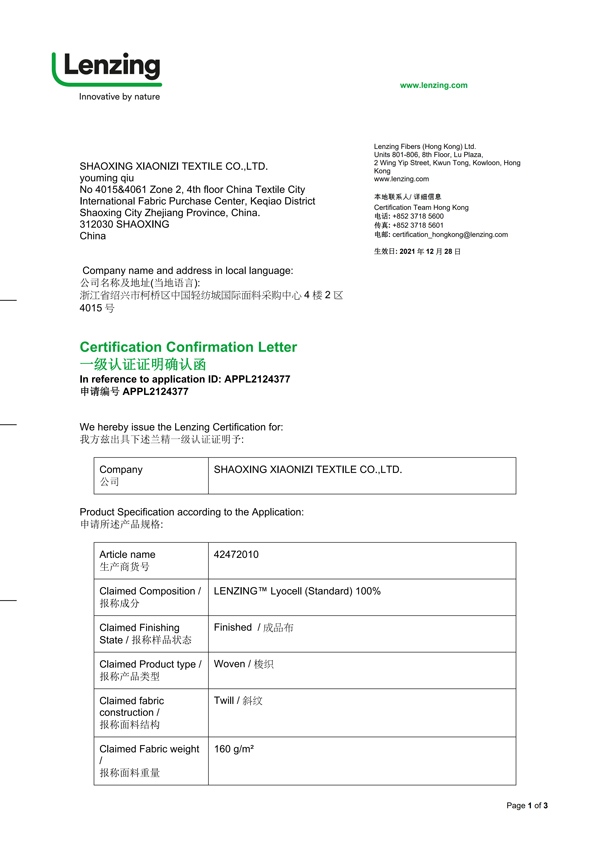
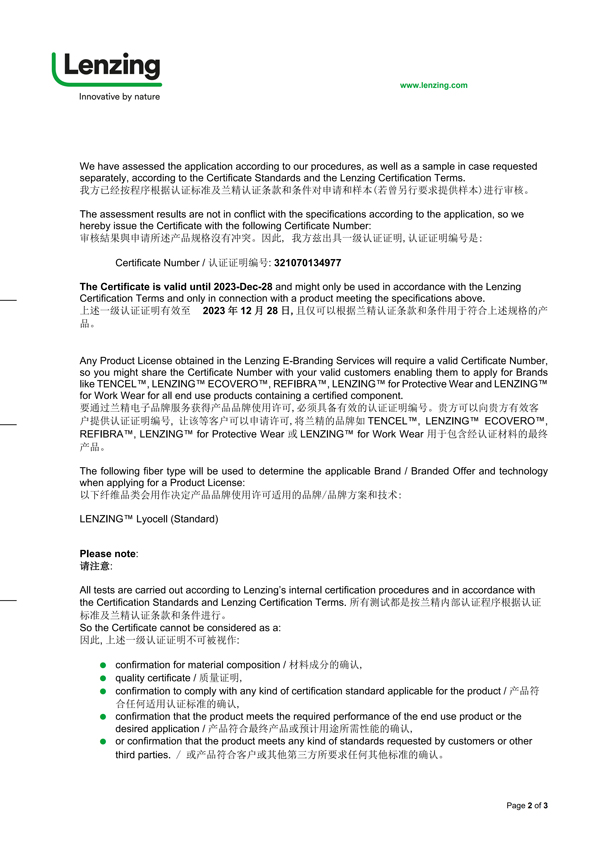
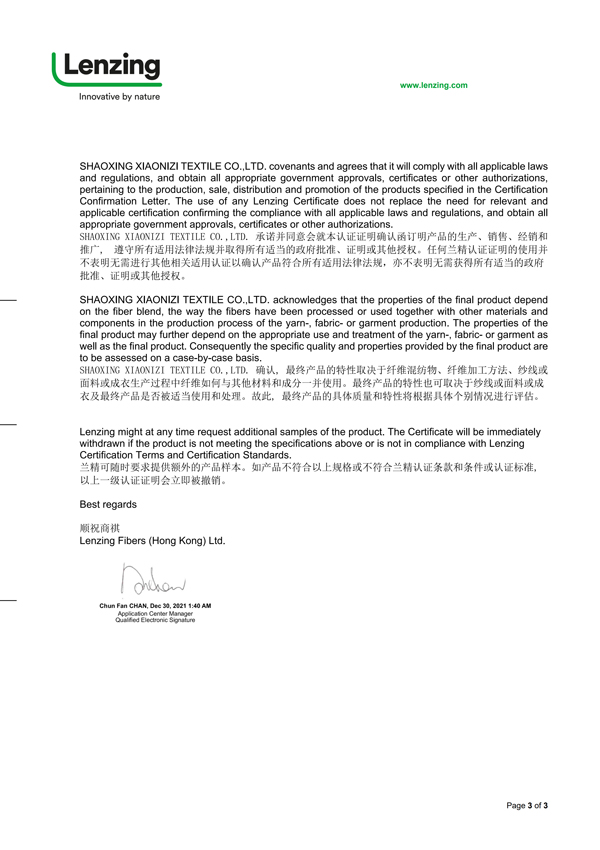
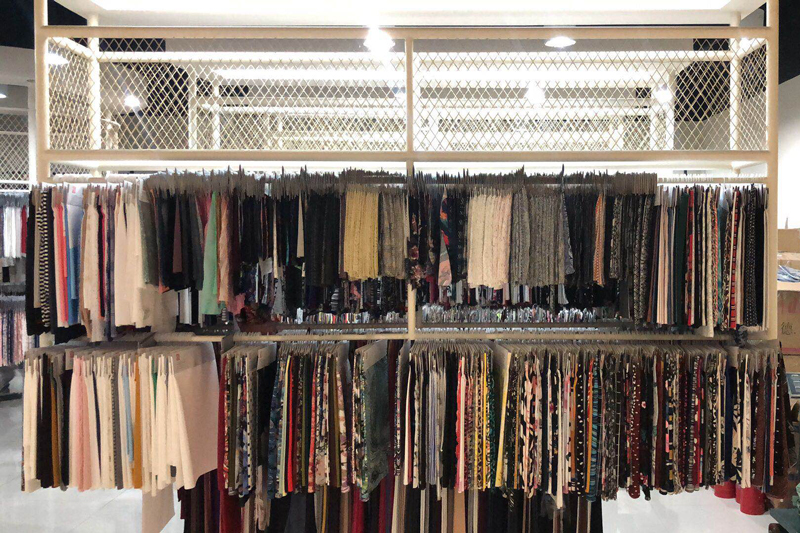
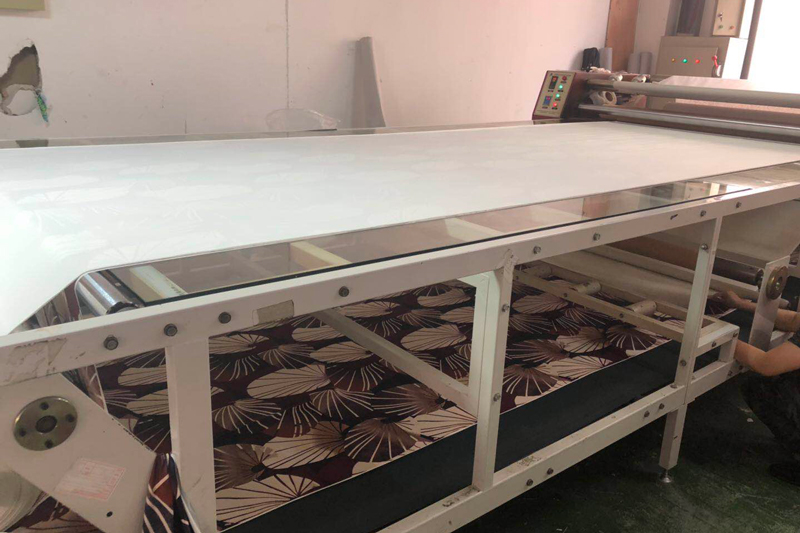
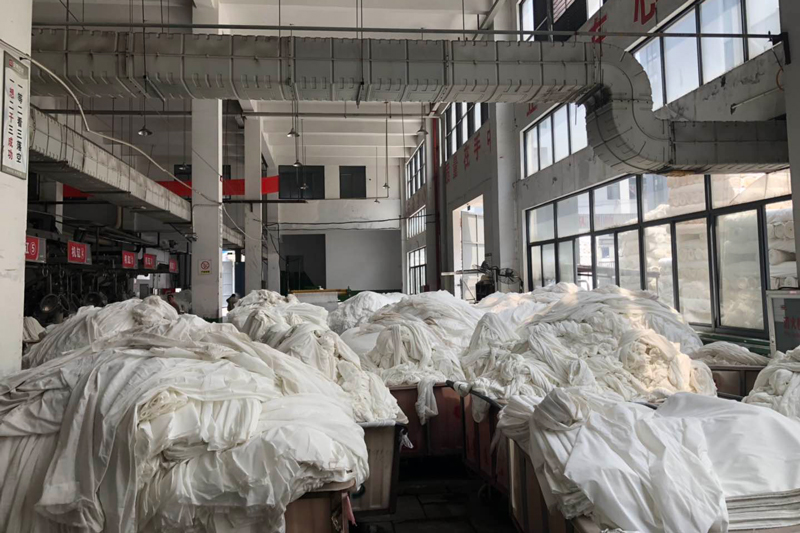
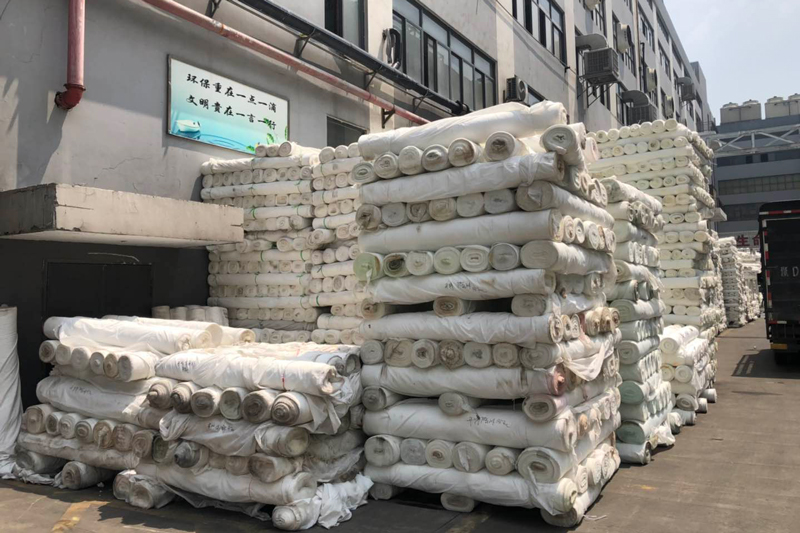
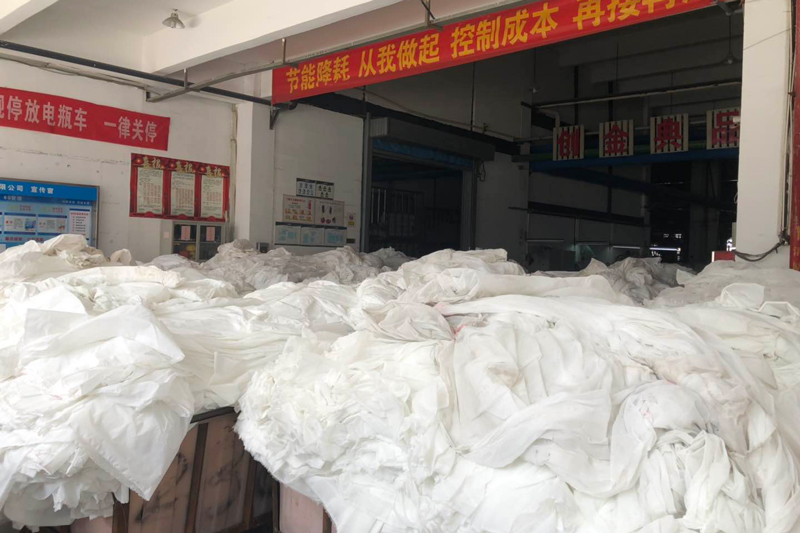
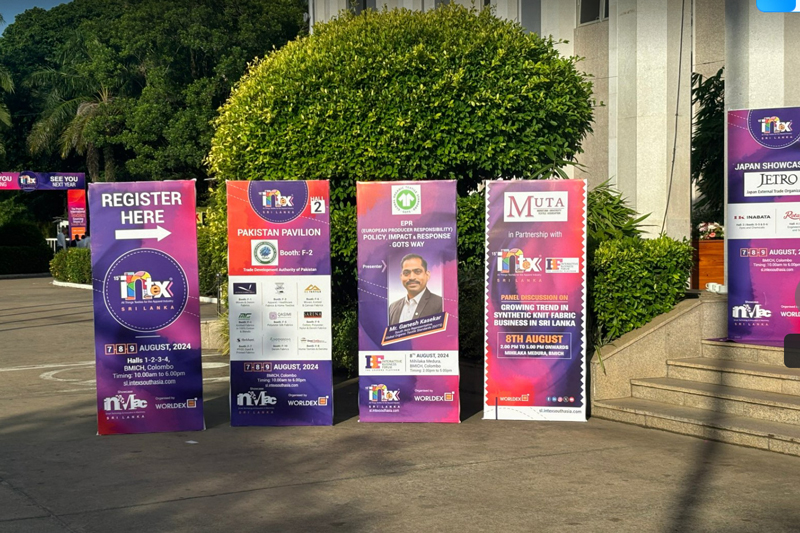
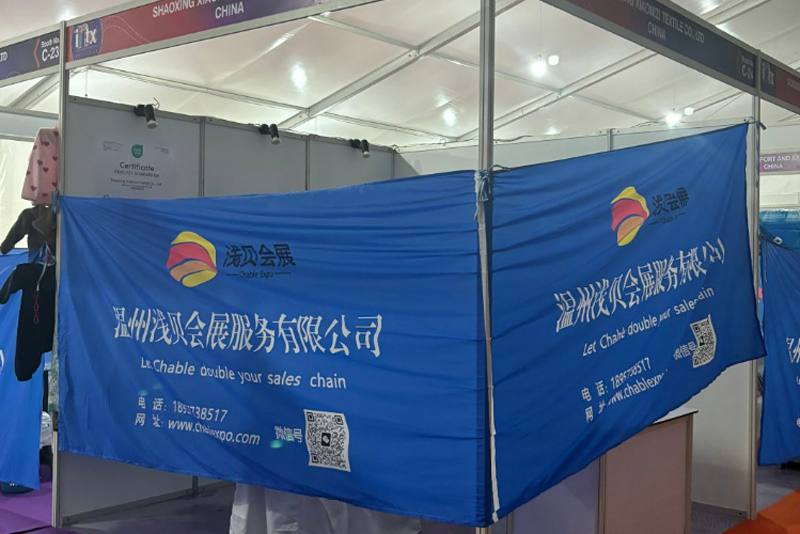
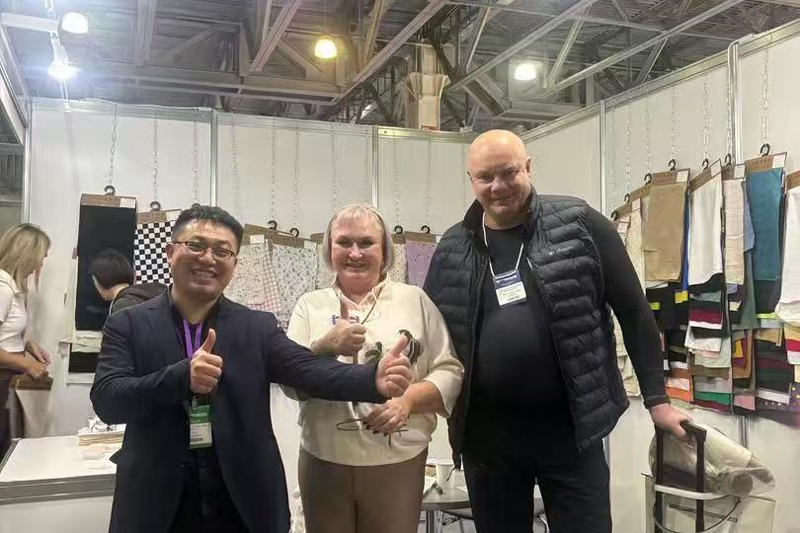
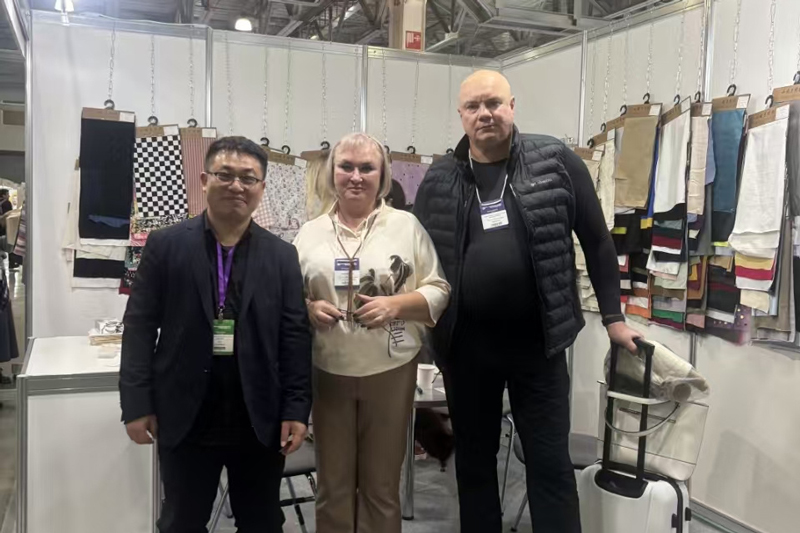
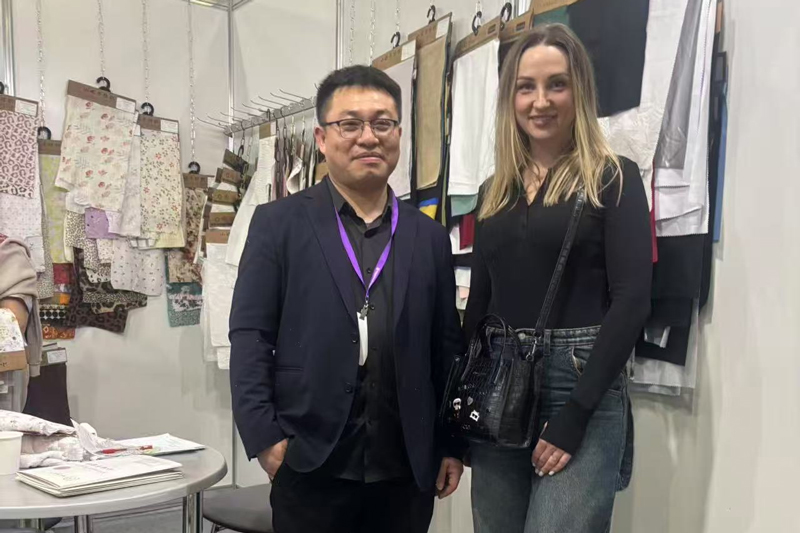
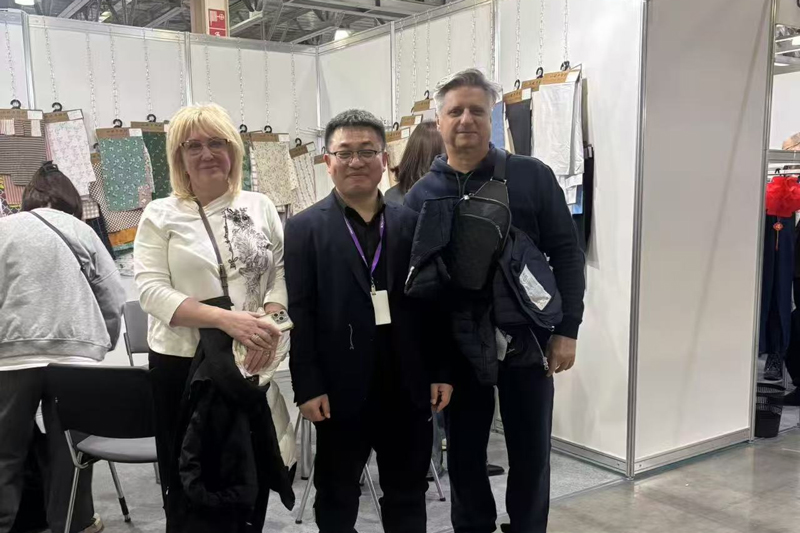
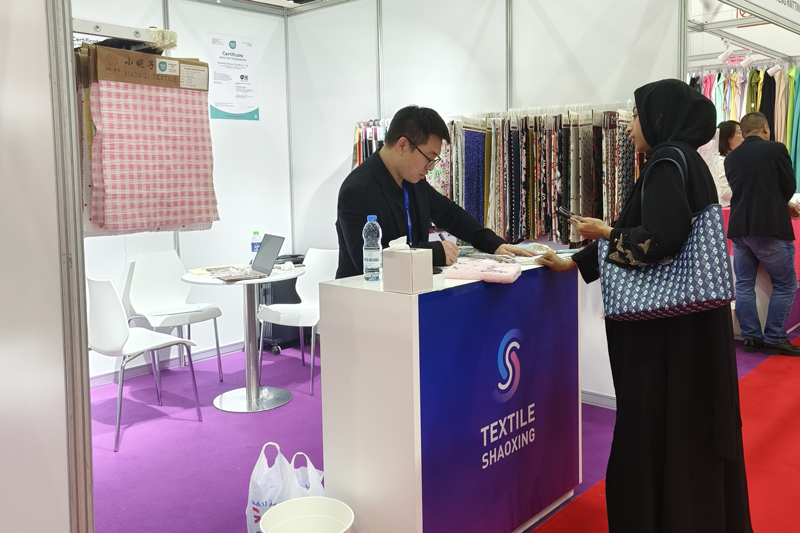
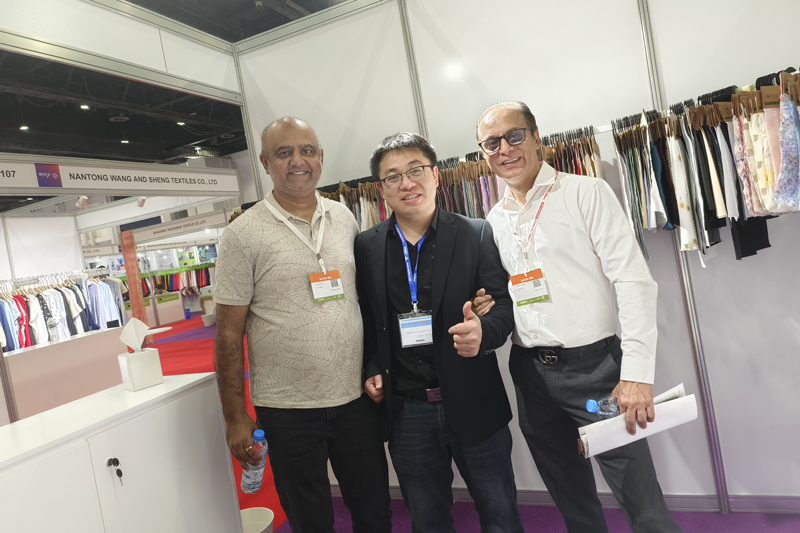
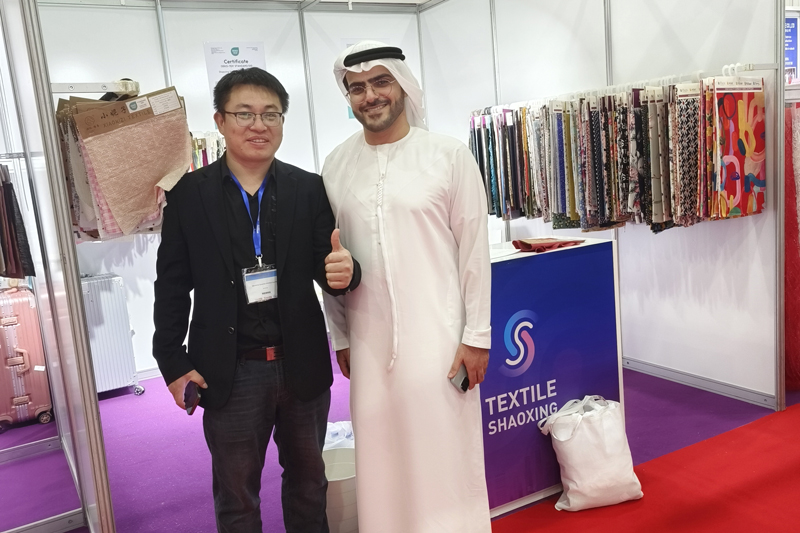
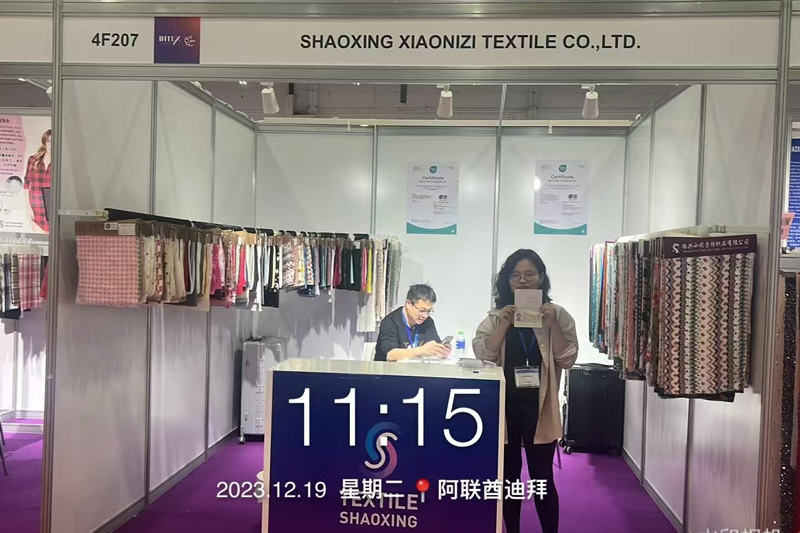
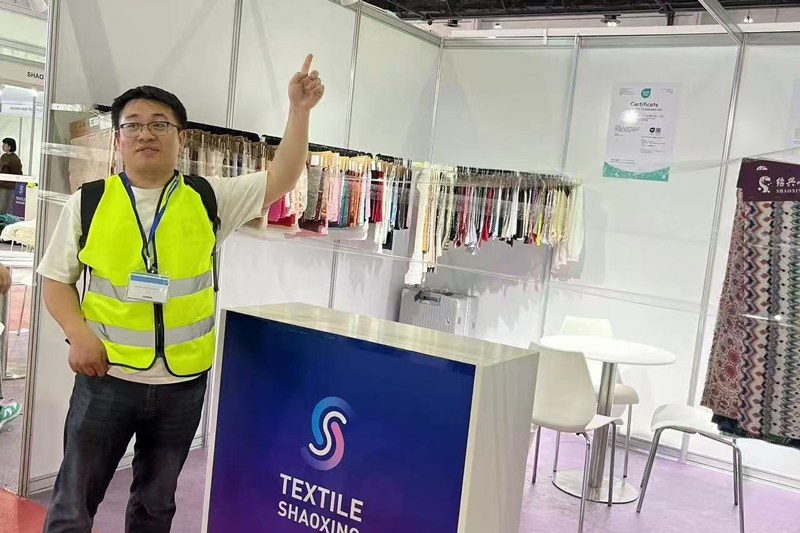
Explore our high-capacity production lines, automated weaving machinery, rigorous quality check stages, and global exhibition journey.

Skin-friendly, breathable, and customizable natural textiles engineered for delicate babywear, comfortable fashion garments, and home textiles.