


What Is Ramie Fabric?
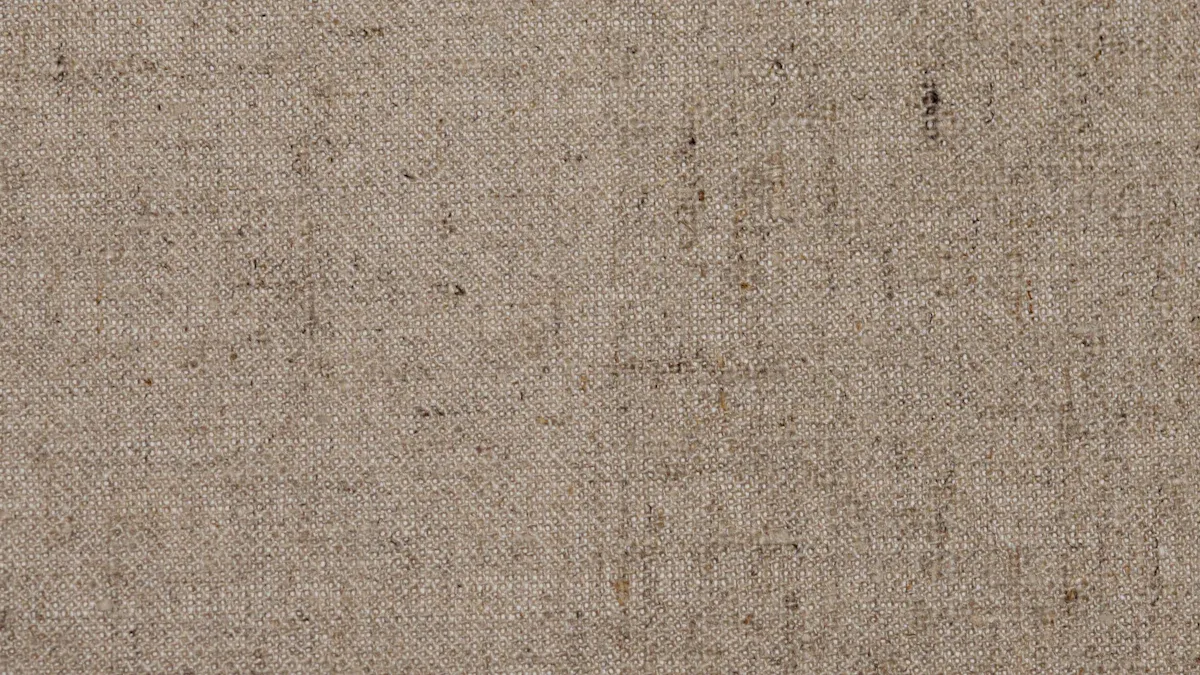
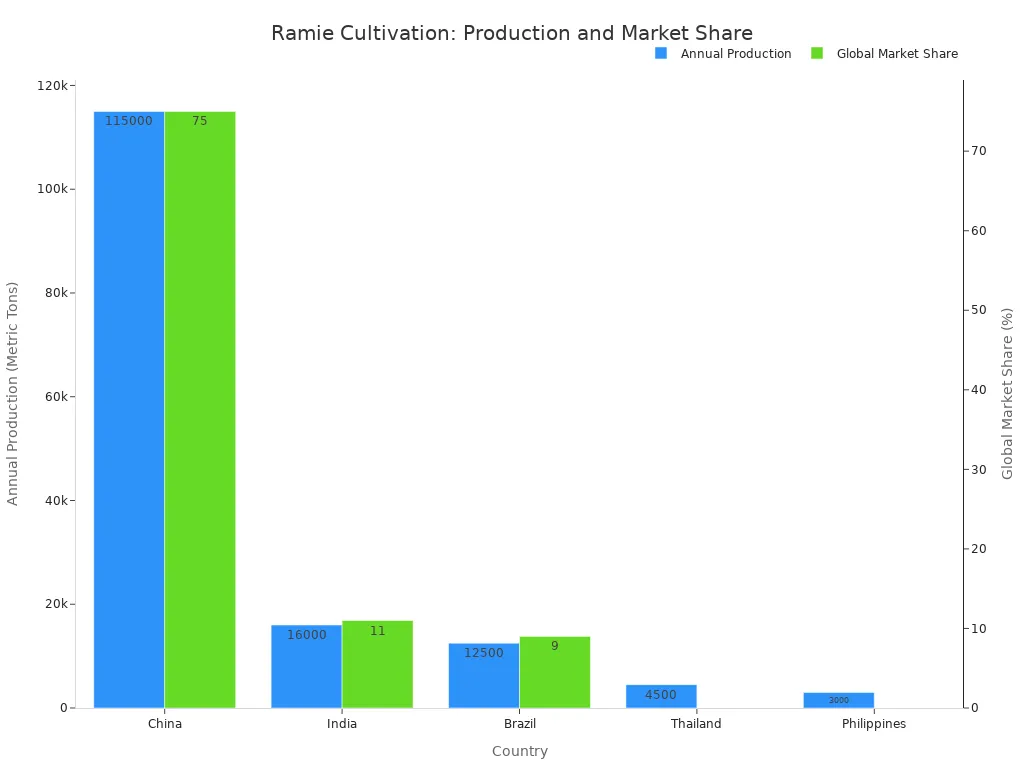
I find Ramie Fabric quite unique. We make this textile from the ramie plant, Boehmeria Nivea. This process starts with extracting fibers from the plant. Then we transform them into usable textile. Did you know China produces most of the world's ramie? They dominate the market for Ramie Fabric. Check out this chart:
Key Takeaways
- Ramie fabric comes from the ramie plant. Farmers plant and harvest ramie stalks. This process starts the fabric making.
- Making ramie fabric involves many steps. Workers extract fibers from the stalks. They clean, soften, and spin these fibers into yarn.
- Finally, weavers turn ramie yarn into fabric. They use looms to create different textures. Finishing steps add color and softness to the fabric.
Cultivating the Ramie Plant
I think growing ramie is quite interesting. It all starts with getting the plants into the ground. Then, we wait for them to mature.
Planting Ramie Seeds
We usually plant ramie in warm climates. I find it grows best in places with plenty of sunshine and good rainfall. Farmers often use cuttings from mature plants. This helps ensure a good crop. Sometimes, we plant actual seeds. I make sure the soil is rich and well-drained. This gives the young plants a great start. Ramie grows quickly. It can reach full height in just a few months. I always enjoy seeing the new shoots emerge.
Harvesting Ramie Stalks
Harvesting ramie is a crucial step. I know we typically harvest the stalks two to three times a year. This depends on the climate. We wait until the plant flowers. This tells me the fibers are mature. I cut the stalks close to the ground. This encourages new growth. We often use machines for this. Sometimes, we harvest by hand. It is hard work either way. Freshly cut stalks are then ready for the next stage. I always feel a sense of accomplishment after a good harvest.
Extracting Ramie Fibers
After we harvest the ramie stalks, the real work of getting the fibers begins. This part is crucial for making good quality Ramie Fabric. I find it fascinating how we transform a plant stalk into soft fibers.
Decortication Process
Decortication is the first big step. This is where we separate the long, strong ramie fibers from the woody core and the outer bark of the stalk. I think of it like peeling a tough vegetable to get to the good part inside. Historically, people did this by hand, which was incredibly labor-intensive. They would beat the stalks or scrape them with knives. Today, we mostly use machines called decorticators. These machines have rotating blades or rollers that crush and scrape away the unwanted parts. It's a noisy process, but it's very efficient.
💡 Tip: The decortication process is vital. It removes the non-fibrous material, leaving behind the raw fiber bundles.
I always find it amazing how little fiber we get from a lot of plant material. The fiber portion of ramie makes up between 5 and 10% of the plant mass after decortication. That means we need a lot of stalks to get a good amount of fiber!
Splitting Ramie Fibers
Once we have the raw fiber bundles, they are still quite coarse and thick. They are not ready for spinning into yarn yet. This is where splitting comes in. I think of it as refining the fibers even further. We take these thick bundles and process them to separate them into finer, individual filaments. This can involve mechanical methods, like passing them through rollers, or sometimes chemical treatments. The goal is to make the fibers thinner and more flexible. This step is important because finer fibers lead to a softer and more pliable Ramie Fabric. If we skip this, the fabric would feel rough and stiff. I always appreciate the effort that goes into making these fibers just right.
Preparing Ramie Fibers for Spinning
After we get those fibers separated, they still need more work. I think of this stage as cleaning and tidying them up. We want them perfect for making yarn.
Degumming Ramie Fibers
Degumming is a really important step. This is where we remove the sticky stuff, like pectin, waxes, and other non-fibrous materials, that still cling to the ramie fibers. I know we use different methods for this. Some common ways involve chemical agents. We might use a NaOH solution or Hydrogen peroxide (H2O2). Enzymes also work well. I've seen Pectinase, Hemicellulases, and Protease used. These help break down the unwanted parts.
However, I also know traditional degumming can be tough on the environment. It often uses lots of sodium hydroxide (NaOH). This creates pollution. Other methods, even with hydrogen peroxide (H2O2), can produce high Chemical Oxygen Demand (COD) in the wastewater. We always try to find greener ways to do this.
Washing and Drying Ramie Fibers
Once degummed, we wash the fibers thoroughly. This removes any remaining chemicals or impurities. I find it amazing how clean they look after this. For washing, ramie can handle high water temperatures. However, I usually recommend cooler water. This helps keep colors bright and prevents shrinkage. Machine washing in cold water is better than warm water. For hand-washed items, I always suggest hand washing in cool water.
After washing, we need to dry them. I prefer line drying over tumble drying. It's gentler on the fibers. For anything hand-washed, flat drying is strongly recommended. This helps keep the shape.
Carding and Combing Ramie Fibers
Now the fibers are clean and dry. They are still a bit tangled. Carding is the next step. I think of it like brushing hair. We pass the fibers through rollers with fine teeth. This helps to untangle them and align them in one direction. It also removes any last bits of impurities. We use special machines for this, like a roller carding machine designed for ramie. It can handle fibers up to 120mm long.
After carding, we often comb the fibers. Combing is an even finer process. It further straightens the fibers and removes any shorter ones. This makes the final yarn smoother and stronger. I always feel satisfied seeing the fibers transform into a soft, uniform strand, ready for spinning into Ramie Fabric.
Spinning Ramie Fabric Yarn
After all that cleaning and preparing, our ramie fibers are finally ready for their big transformation. This is where we turn those fluffy, aligned fibers into strong, continuous threads. I always find this part quite magical.
Twisting Ramie Fibers into Threads
Spinning is basically the art of twisting. Imagine taking a bunch of individual strands and twisting them together really tightly. That is what we do with ramie fibers. We take the long, parallel fibers that came out of the carding and combing machines. Then, we gently pull them and twist them at the same time. This twisting action makes the fibers lock together. It creates a continuous strand. This strand is what we call yarn or thread.
I think of it like making a rope. You take many smaller strands and twist them. This makes one very strong rope. The more twist we put into the ramie fibers, the stronger the yarn becomes. This step is super important. It gives the yarn its strength and keeps it from falling apart. Without proper twisting, we could not make durable Ramie Fabric.
Techniques for Spinning Ramie
We use different machines and methods to spin ramie. The choice often depends on what kind of yarn we want to make.
- Ring Spinning: This is a very common method. I see it used a lot for making finer, smoother yarns. The fibers go through a series of rollers. These rollers stretch and thin the fiber bundle. Then, a ring and traveler system twists the fibers into yarn. This method works well for ramie because it can handle its long, strong fibers. It creates a very consistent and strong thread.
- Open-End Spinning: Sometimes, we use open-end spinning. This method is usually faster. It is often used for making coarser yarns. The fibers are separated and then collected in a rotor. The rotor spins them into yarn. I find this method efficient for certain types of ramie yarns.
Ramie fibers are naturally long and strong. This makes them excellent for spinning. They hold together well. This results in a very durable yarn. We can spin ramie by itself. We can also blend it with other fibers like cotton or polyester. This creates yarns with different qualities. I always admire the strength and luster of the finished ramie yarn. It is truly ready for weaving.
Weaving Ramie Fabric
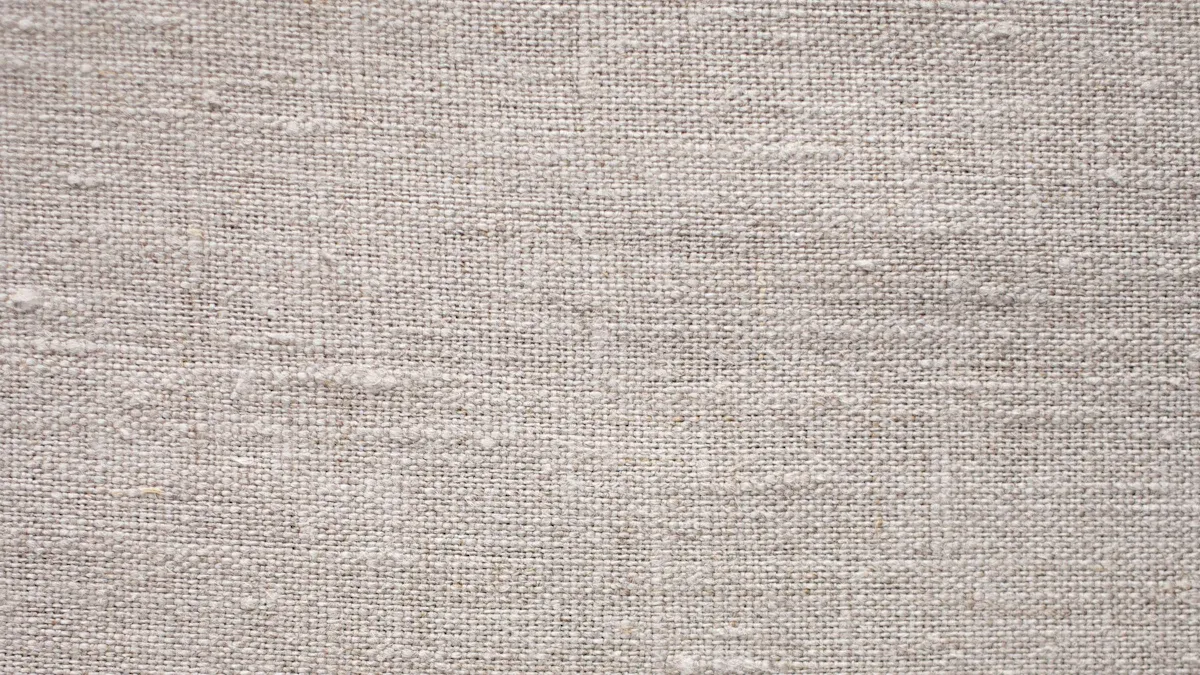
After all the hard work of spinning, our ramie yarn is finally ready for the loom! I always find this stage exciting. This is where the yarn truly becomes fabric.
Loom Preparation for Ramie
Before I can start weaving, I need to prepare the loom. This is a very important step. I carefully thread each ramie yarn through the loom's heddles and reed. It takes a lot of patience and precision. I make sure the tension of the threads is just right. If the threads are too loose, the fabric won't be even. If they are too tight, they might break during weaving. I also set up the specific pattern I want to weave. This tells the loom how to interlace the threads.
Constructing Ramie Fabric
Now, the weaving begins! I watch as the loom interlaces the warp threads (running lengthwise) with the weft threads (running crosswise). This action creates the actual fabric. I can choose different weave patterns. Each pattern gives the fabric a unique look and feel.
- I often use a Plain Weave. This makes a very durable fabric. It feels a bit stiffer. I use it for things like workwear or table linens.
- Sometimes, I choose a Twill Weave. This creates a diagonal rib pattern. It gives the fabric a nicer drape. I use it for casual trousers or summer blazers.
- For something really special, I might use Jacquard. This lets me create intricate patterns right in the fabric. It takes longer to make, so it's more expensive. I use it for luxury items.
- I can also make Knits with ramie. This gives the fabric stretch and softness. It's perfect for casualwear.
I love seeing the yarn transform into a strong, beautiful Ramie Fabric.
Finishing Ramie Fabric
After weaving, the ramie fabric is not quite done. I still need to give it some final touches. This makes it look good and feel great.
Dyeing and Printing Ramie
I love adding color and patterns to ramie. We have some great ways to do this. For coloring, I often use pigment printing. It works really well for natural fibers like ramie. I find it gives consistent results, especially with digital printing. Also, reactive dyes are perfect for ramie. They work well with all cellulose fibers, like cotton and linen.
Sometimes, I want to create special patterns. I have even seen laser engraving used on ramie fabric. This method can make cool designs. It does not need much special equipment. It is also low cost. I think it is a great way to customize the fabric.
Softening and Shrinkage Control for Ramie
Ramie can feel a bit stiff at first. So, I always make sure to soften it. Enzyme-based degumming helps a lot. It makes the fibers softer and more even. It also uses less water, which is good for the environment. I also like using plant-based softeners. These are part of eco-friendly finishing. Some chemical treatments, like using sodium hydroxide or oxalic acid, can also make the fibers softer and stronger.
I also need to control shrinkage. Ramie fabric can shrink a little. I use advanced finishing processes like resin finishing. This puts a protective coating on the fabric. Enzyme washing also helps. It changes the fiber structure. I also use silicone softeners. They make the fabric soft and stable. This helps reduce shrinkage. I always do a pre-shrinking treatment before production. This stabilizes the fabric. It keeps it from shrinking too much later. I find that shrinkage in ramie is usually mild. Normal pre-shrinking can keep it to about 3-5%.
I've shown you how we make Ramie Fabric. It involves many distinct stages. Each step changes the raw ramie plant. It becomes a versatile textile. This process truly highlights the journey from plant to finished Ramie Fabric.
FAQ
What are the main benefits of ramie fabric?
I love ramie because it's super strong and durable. It resists wrinkles well. It also has a lovely luster. It's great for warm weather. ✨
Is ramie fabric environmentally friendly?
Yes, I think ramie is quite eco-friendly. It grows fast. It needs fewer pesticides than cotton. We are always working on greener processing methods too. 🌱
How does ramie compare to other natural fibers like linen or cotton?
I find ramie stronger than cotton. It's also more lustrous than linen. It wrinkles less than linen. It feels a bit stiffer than cotton.